
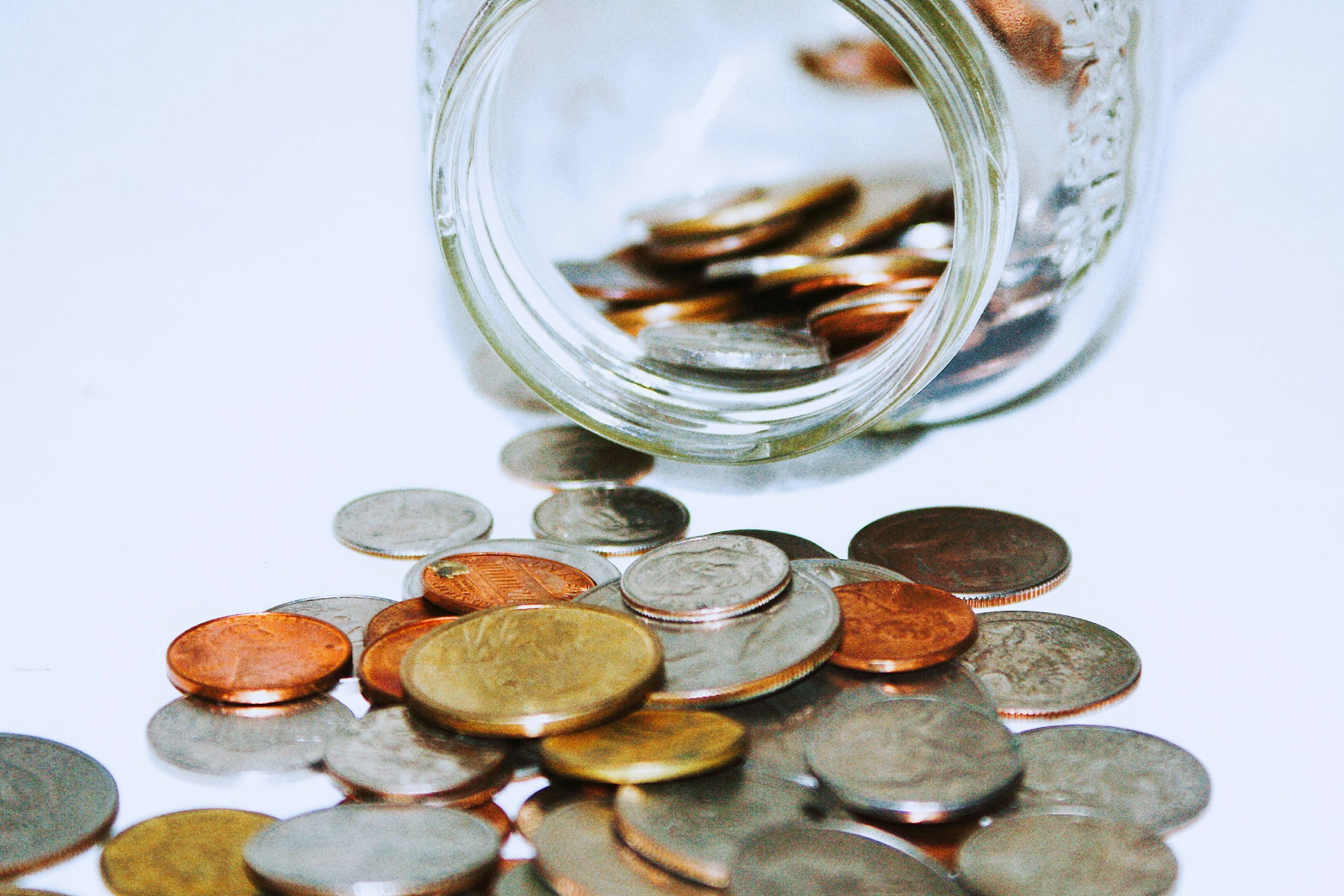
Grandma knew better than to throw something away just because it was no longer useful in its original form.
From leftover food to worn-out clothes, she found ways to reuse what she already had, saving money and cutting waste in the process.
Many of those simple habits still make sense today.
Here are the everyday things Grandma never wasted, and the easy ways you can put those old-fashioned money-saving tricks to work in your own home.
Kitchen Items Grandma Never Wasted
1. Leftover Food
Grandma knew that yesterday’s dinner could easily become tomorrow’s lunch.
Instead of serving the exact same meal again, she might turn leftover meat into sandwiches, add vegetables to a soup, or combine small amounts of food into a casserole.
Leftover chicken can become chicken salad, soup, tacos, or a filling for sandwiches.
Cooked vegetables can be mixed into eggs, pasta, rice, or a simple frittata.
Even small amounts of meat can stretch further when combined with beans, potatoes, rice, or vegetables.
Before cooking something new, check your refrigerator and ask yourself what needs to be used first.
That one habit can help you get more meals from the groceries you already paid for.
2. Vegetable Scraps
Grandma understood that vegetable trimmings could still have plenty of flavor.
Carrot peels, celery ends, onion skins, herb stems, and other suitable scraps can be saved for homemade stock.
Keep clean vegetable scraps in a container or freezer bag until you have enough to make a batch of broth.
Add them to a pot with water and simmer them with herbs and seasonings to create a flavorful base for soups, sauces, rice, or gravy.
Not every scrap should be saved, so avoid anything moldy, spoiled, or unsafe to eat.
This simple habit can turn parts of vegetables that would normally end up in the trash into something you would otherwise need to buy.
3. Stale Bread
Grandma did not automatically throw out bread just because it had gone dry.
Stale bread can be turned into breadcrumbs for meatloaf, casseroles, fried foods, and other recipes.
You can also cut it into cubes, season it, and bake it into homemade croutons for salads and soups.
For a sweet option, stale bread makes an excellent base for bread pudding or French toast.
If you know you will not use a loaf before it goes stale, freeze it while it is still fresh.
That gives you more time to use it instead of letting an entire loaf go to waste.
4. Bacon Grease
Bacon grease was often treated as a useful cooking ingredient rather than something to pour down the drain.
After cooking bacon, the cooled fat can be strained and stored in a covered container for later use.
A small amount can add rich flavor when cooking potatoes, eggs, beans, vegetables, or other savory dishes.
It can also be used to grease a pan when a recipe calls for cooking fat.
If you save bacon grease, keep it properly covered and stored according to food-safety guidance, and discard it if it develops an off smell, mold, or other signs of spoilage.
The bigger lesson is simple: ingredients that still have a useful purpose do not always belong in the trash.
5. Coffee Grounds
Used coffee grounds still have a few practical uses around the home.
They can be added to compost, where they contribute organic material to the pile.
Some gardeners also mix used grounds into soil or compost, although they should not be treated as a complete fertilizer.
Coffee grounds can also be used as a mild abrasive for certain household cleaning jobs, provided the surface will not be scratched or stained.
If you do not have a use for them, adding them to a compost pile is often a better option than sending them straight to the garbage.
Grandma’s approach was not about saving every single scrap at all costs.
It was about noticing what still had value and finding a sensible way to use it before buying something new.
6. Fruit Peels
Grandma often found a second use for fruit peels instead of tossing them straight into the trash.
Citrus peels from lemons, oranges, and limes can be added to homemade cleaners, infused into vinegar, or used to add flavor to recipes.
You can also grate clean citrus zest into baked goods, marinades, sauces, and dressings before throwing the peel away.
Apple peels can be cooked into homemade applesauce or added to certain baked dishes for extra flavor and texture.
If you have more peels than you can use, adding suitable fruit scraps to your compost is another simple option.
The key is to use clean, fresh peels and avoid anything that is spoiled or moldy.
7. Empty Jars
An empty jam, pickle, or sauce jar was rarely useless in Grandma’s kitchen.
After washing and drying the jar, she could use it to store leftovers, dried beans, spices, or homemade sauces.
Small jars are especially handy for keeping herbs, seeds, nuts, and other ingredients organized.
Larger jars can hold homemade salad dressings, overnight oats, or dry ingredients for recipes.
They can also make inexpensive containers for pantry organization, saving you from buying storage containers for every small item.
Before reusing a jar, make sure it is clean, undamaged, and suitable for the type of food or storage you have in mind.
8. Cooking Water
The water left behind after cooking vegetables or pasta does not always need to go down the drain.
Vegetable cooking water can be cooled and added to soups, gravies, or sauces for extra flavor.
Pasta water contains starch released from the noodles, which can help thicken and bring together a pasta sauce.
You can also use cooled, unsalted cooking water when preparing another dish that calls for water.
If the water is heavily salted, oily, or otherwise unsuitable for another recipe, it is better not to reuse it for cooking.
Household Items Grandma Always Found Another Use For
Grandma did not need a new product every time something around the house wore out or became inconvenient.
She often looked at old household items and asked how they could be useful one more time.
That mindset can save money because many everyday replacements are things you can make or repurpose yourself.
9. Old Towels
Old towels may no longer be soft enough for the bathroom, but they can still make excellent cleaning cloths.
Cut worn towels into smaller pieces and use them for wiping counters, cleaning appliances, washing floors, or handling messy jobs.
They are especially useful for cleaning tasks where you would otherwise reach for disposable paper towels.
Keep a small basket of old towels or rags somewhere convenient so you actually use them.
Once a towel is too worn to clean with, it can often be recycled through an appropriate textile recycling program rather than simply thrown away.
10. Worn-Out Clothing
Grandma knew that clothing did not have to be wearable to remain useful.
Old cotton shirts can become cleaning rags, while thicker fabric can be saved for patches and simple sewing projects.
Larger pieces of fabric can also be used for quilts, dusting cloths, or small household projects.
Even a damaged pair of jeans can provide strong pieces of denim for repairs or craft projects.
Before throwing away an old garment, check whether there is enough usable fabric to give it another purpose.
This can reduce waste while also giving you free material for jobs around the house.
11. Buttons
A missing button did not always mean Grandma needed to buy a replacement shirt.
She often removed good buttons from worn-out clothing and kept them in a small jar or tin.
Those saved buttons could later be used to repair shirts, coats, sweaters, or other garments.
Keeping a basic button collection also means you are less likely to replace an otherwise useful piece of clothing over one missing button.
Sort them by size or keep them together in a small container so you can quickly find what you need.
It is a tiny habit, but it supports the larger idea of repairing instead of replacing.
12. Glass Bottles
Empty glass bottles can have plenty of uses after the original contents are gone.
Clean bottles can hold homemade dressings, sauces, dry ingredients, or other items that need a simple storage container.
They can also be used as vases, plant holders, or containers for small household supplies.
Before reusing a bottle for food, wash it thoroughly and make sure it is free from cracks or chips.
You can save a few useful bottles without keeping every container that enters your home.
13. Newspaper
Newspapers once had a place in many homes long after they had been read.
Crumpled newspaper can be useful for packing fragile items when moving or storing belongings.
It can also be used to line certain surfaces during messy projects or protect items from dust.
Newspaper was also traditionally used for cleaning windows because it could help produce a streak-free finish when paired with an appropriate glass cleaner.
If you no longer receive newspapers, recycled paper can sometimes serve similar purposes.
The useful lesson is to look at old paper as a resource before sending it to the recycling bin.
14. Paper Bags
Paper grocery bags can be surprisingly useful around the house.
They can be folded and reused for carrying items, storing certain dry goods, or collecting paper and other recycling.
You can also cut them open and use the flat paper as simple wrapping material for packages or gifts.
During messy household projects, a paper bag can be opened up and used to cover a work surface.
If the bag becomes too dirty or damaged to reuse, recycling it is a better final step than simply throwing it away when recycling is available.
15. Gift Wrap
Grandma often saved wrapping paper, ribbons, bows, and gift bags that were still in good condition.
A carefully opened gift bag can be used several times before it needs replacing.
Pieces of wrapping paper can also be saved for smaller gifts, craft projects, or covering homemade cards.
Ribbon and decorative bows are particularly easy to store and reuse.
You do not need a huge collection, so keep only pieces that are clean, usable, and worth saving.
16. Aluminum Foil
Clean aluminum foil can sometimes be reused instead of being thrown away after one use.
If a piece was only used to cover a clean dish or wrap a suitable food, it may be possible to wipe or wash it and use it again.
Foil can also be folded and reused for another food-storage job when it remains clean and intact.
Avoid reusing foil that has touched raw meat, spoiled food, or anything that could create a food-safety concern.
When the foil is no longer suitable for reuse, check whether your local recycling program accepts clean aluminum foil.
Grandma’s approach was never about saving every scrap regardless of its condition.
She simply made useful things last longer, which meant buying fewer replacements and getting more value from the things she already owned.
Clothing and Sewing Items Grandma Never Wasted
Grandma knew that a small piece of fabric could still be worth keeping.
Instead of buying something new for every repair or project, she saved useful materials and found ways to put them to work.
17. Scraps of Fabric
Small fabric scraps were often saved because they could come in handy later.
They could be used to patch worn clothing, reinforce weak spots, or repair small tears.
Larger pieces could become quilt squares, simple napkins, doll clothes, or other small household projects.
You do not need to keep every tiny piece, so discard scraps that are too small, damaged, or unsuitable for anything useful.
Store the worthwhile pieces in a box or fabric bag so you can find them when a repair comes up.
Having free fabric available can save you from buying a new piece for a simple sewing job.
18. Yarn and Thread
Grandma rarely wasted good yarn or thread just because only a little remained.
Short lengths of thread could be useful for small repairs, while leftover yarn could be used for mending, crafts, or decorative projects.
Keeping different colors and thicknesses on hand can also make basic repairs much easier.
Store loose pieces neatly in a small container so they do not become tangled or difficult to use.
Even a nearly finished spool can save you a trip to the store when you only need a small amount.
19. Old Sheets
Worn sheets could have a useful second life long after they were no longer suitable for the bed.
Cotton sheets can be cut into cleaning cloths, dusting rags, or reusable covers for household projects.
Larger pieces can also be used for simple curtains, furniture covers, or protective cloths when painting or doing repairs.
If the fabric is still in good condition, you can even save it for sewing projects that require larger pieces of inexpensive material.
Old sheets are especially valuable because one sheet can provide a surprising amount of usable fabric.
Before buying cloth for a basic household project, check your linen cupboard for an old sheet that could do the job.
20. Broken Clothing
A small tear, missing button, or loose seam did not automatically make a piece of clothing worthless to Grandma.
She would often repair the problem and continue wearing the item.
Clothes that were too damaged to wear could still provide buttons, zippers, fabric, or patches for other repairs.
A pair of worn jeans, for example, can provide strong denim for reinforcing another item.
Learning a few basic sewing skills can help you fix small problems before they become reasons to replace an entire garment.
You can start with simple repairs such as sewing on buttons, closing small holes, and fixing loose hems.
Those little repairs may seem insignificant, but extending the life of clothing can keep more money in your pocket over time.
A needle, some thread, and a few minutes can sometimes turn an almost-forgotten item back into something useful.
Everyday Things Grandma Reused to Save Money
Grandma understood that small savings could add up over time.
She did not need to buy a new item every time something became smaller, emptier, or less convenient.
Instead, she looked for simple ways to reuse what she already had.
21. Leftover Soap
Small pieces of soap were too useful to throw away.
Grandma could press several leftover pieces together to make one larger bar.
Small soap pieces could also be placed in a mesh bag and used for washing hands or cleaning.
Mild leftover soap can sometimes be grated and added to homemade laundry or cleaning mixtures when appropriate.
Keeping soap scraps in a small container prevents them from disappearing down the drain before you get another use from them.
This costs almost nothing and helps you get the full value from a product you have already purchased.
22. Candles
Grandma often saved candle ends instead of throwing them away.
Small pieces of leftover wax can sometimes be melted down and combined to make a new candle, provided you use suitable materials and take proper fire-safety precautions.
Old candle wax can also be saved for certain household or craft projects.
If you enjoy making candles, keeping leftover wax in a container gives you free material for future projects.
The important part is to never leave melting wax unattended or use a candle that has become unsafe.
What looks like a tiny leftover can sometimes become useful again with a little patience.
23. Rubber Bands
Rubber bands that came around produce, packaging, or other household items often ended up in Grandma’s kitchen drawer.
She could use them to bundle cords, secure bags, hold small items together, or keep containers closed.
A few rubber bands can also help organize pencils, craft supplies, or other loose household items.
You do not need to save dozens of them, but keeping a small collection can prevent unnecessary purchases of simple organizers.
Store them together in a jar or small container so they are easy to find when you need one.
24. Containers and Tins
Empty tins and sturdy containers could become useful storage instead of household clutter.
A clean tin can hold buttons, nails, screws, sewing supplies, craft materials, or other small items.
Food containers can also be reused to organize pantry ingredients or store leftovers when they are still safe and suitable for that purpose.
Using containers you already own means you do not have to buy a separate organizer for every small collection of items.
Labeling them can make the system even more useful because you can quickly see what is inside.
Only keep containers that are clean, undamaged, and genuinely useful so your effort to reduce waste does not turn into unnecessary clutter.
25. Food Scraps
Grandma often looked for ways to get more from food before throwing anything away.
Vegetable trimmings can sometimes become stock, while stale bread can become breadcrumbs or croutons.
Overripe fruit can be used in smoothies, baked goods, sauces, or other recipes where its softer texture is not a problem.
Small amounts of cooked meat or vegetables can also be added to soups, omelets, casseroles, or sandwiches.
Always check food carefully before reusing it, and discard anything that is spoiled, moldy, or unsafe.
Why Grandma Wasted So Little
- She repaired before replacing.
A loose button, small tear, or broken seam was often fixed instead of becoming a reason to buy something new. - She reused before buying.
Grandma looked around the house for something that could do the job before spending money on a replacement. - She planned meals carefully.
Thoughtful meal planning helped her use groceries before they spoiled and made leftovers easier to turn into new meals. - She valued everything she purchased.
When money was spent on something, she tried to use it fully and make it last as long as possible. - Saving small amounts added up over time.
Each repaired item, reused container, and saved ingredient meant a little less money spent, and those savings could become significant over the years.
How to Bring Grandma’s No-Waste Habits Back Today
Start a Designated Leftovers Night
Choose one night each week when everyone eats leftovers instead of cooking a completely new meal.
Combine small portions into soups, casseroles, sandwiches, wraps, or simple bowls.
This gives food in your refrigerator a clear deadline and makes it less likely to be forgotten.
Keep a Reusable Scrap Container
Keep a container in your freezer for suitable vegetable scraps that can later be used for homemade stock.
You can also keep a small container for food that needs to be used soon, making it easier to see what should be eaten first.
Labeling the container with a date can help you keep track of what you have stored.
Create a Household Rag Box
Set aside old towels, shirts, and sheets that are no longer suitable for normal use.
Cut larger pieces into manageable cleaning cloths and keep them in one easy-to-reach place.
Using washable rags for everyday messes can reduce how often you need disposable cleaning products.
Save Useful Jars and Containers
Choose a few sturdy jars and containers to reuse for leftovers, pantry storage, or organizing small household items.
Avoid keeping every container you receive, because too many can quickly become clutter.
Keep only the ones you regularly use and have enough storage space for.
Learn Basic Mending
Learning a few simple sewing skills can help you repair clothes before replacing them.
Start with practical jobs such as sewing on buttons, closing small holes, and repairing loose hems.
A basic needle, thread, and a few spare buttons can handle many everyday repairs.
Repurpose Items Before Shopping for Replacements
Before buying something new, take a quick look around your home to see whether you already have something that can do the job.
An old jar might become a storage container, while a worn towel might become a cleaning cloth.
This simple pause can prevent many unnecessary purchases.
Buy Less and Make What You Already Own Last Longer
The easiest way to reduce waste is often to buy fewer things in the first place.
Choose items that are durable, repairable, and useful rather than buying something simply because it is cheap or convenient.
Take care of the things you already own, repair them when practical, and replace them only when they are genuinely worn out.
That is the heart of Grandma’s no-waste approach: use what you have, make it last, and spend money only when you truly need to.
Final Thoughts
Grandma’s no-waste habits were simple, practical, and focused on getting the most from what she already had.
Reusing, repairing, and planning can still help you waste less and keep more money in your pocket.
You do not need to change everything at once; start with a few habits and let the savings build over time.
FAQs
What things did Grandma reuse instead of throwing away?
Grandma often reused jars, towels, clothing, fabric scraps, paper bags, gift wrap, containers, and other everyday household items.
How did Grandma avoid wasting food?
She planned meals, used leftovers creatively, saved suitable vegetable scraps for stock, and found ways to use food before it spoiled.
What household items can you reuse to save money?
Old towels, clothing, glass jars, containers, tins, paper bags, and clean aluminum foil can often be reused for practical household tasks.
How can old-fashioned habits reduce household waste?
Repairing, reusing, repurposing, and planning meals can keep useful items out of the trash while reducing the need to buy replacements.
What are the easiest Grandma-style no-waste habits to start?
Start by eating leftovers, saving useful jars, keeping cleaning rags, repairing simple clothing damage, and checking what you already own before shopping.
Can reusing household items really save money?
Yes, reusing what you already have can reduce spending on replacements, cleaning supplies, storage containers, and other everyday purchases.
How can I live more like Grandma without being wasteful?
Buy only what you need, take care of your belongings, repair items when practical, reuse useful materials, and avoid keeping things that have no real purpose.