
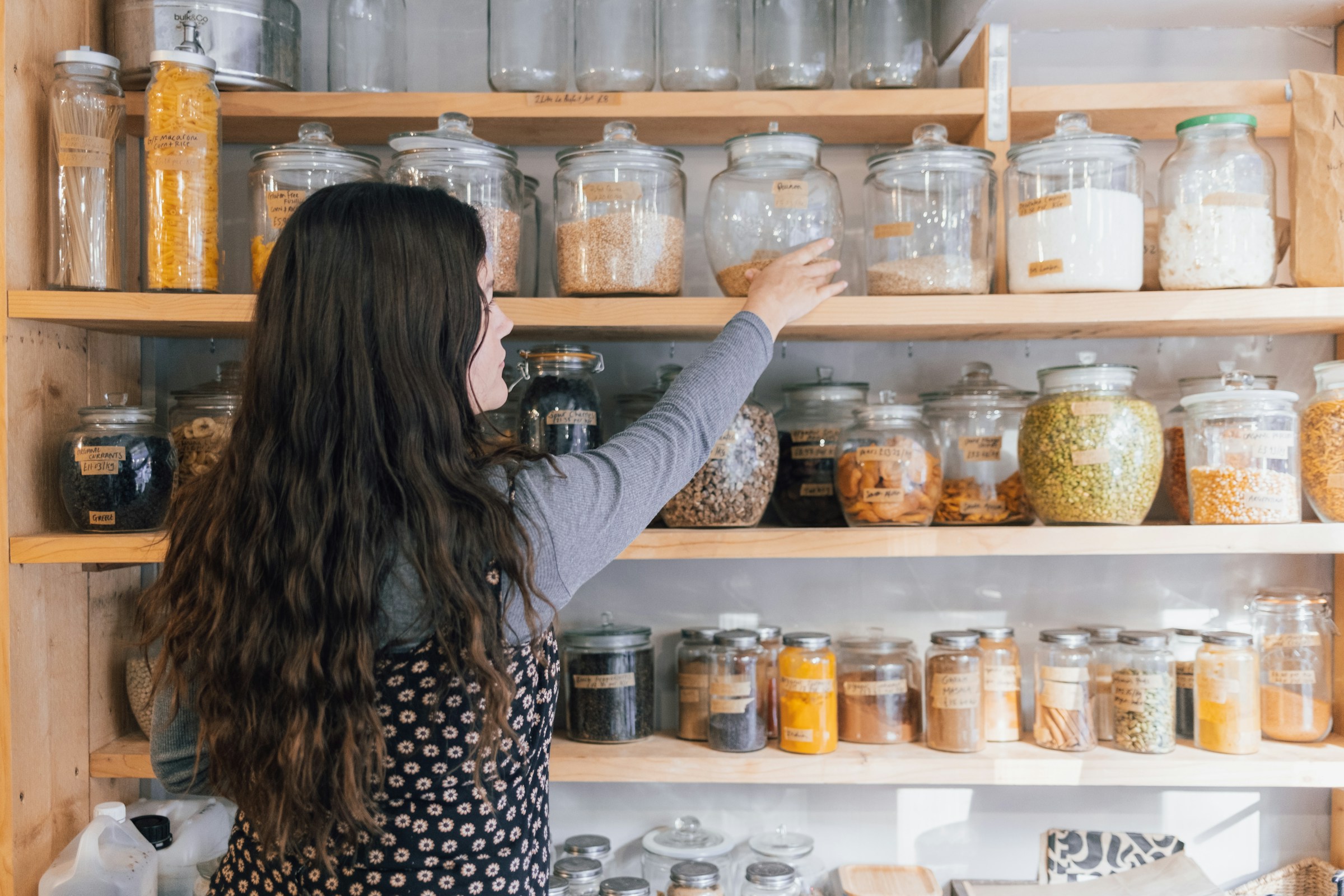
A tidy pantry doesn’t need expensive organizers or a complicated system.
Older generations relied on simple habits like reusing containers, keeping similar foods together, and making everything easy to see.
These old-fashioned pantry organization ideas can help you save space, reduce food waste, and keep your kitchen running smoothly without spending much money.
Why Old Fashioned Pantry Organization Still Works
- Simple systems are easy to maintain: Basic routines make it easier to keep your pantry tidy.
- Everything has a designated place: Knowing where each item belongs makes finding things quicker.
- Buying and storing food carefully reduces waste: Proper organization helps prevent forgotten or spoiled food.
- Reusing containers saves money: Jars, tins, and boxes can provide useful storage without extra expense.
- A well-organized pantry makes meal planning easier: Seeing what you have helps you plan meals and avoid unnecessary grocery trips.
Old Fashioned Pantry Organization Ideas
1. Store Dry Goods in Glass Jars
Glass jars are a simple way to keep pantry staples neat, visible, and protected from moisture.
Use them for foods such as flour, sugar, rice, beans, pasta, and grains that you buy or store regularly.
Clear jars also let you see how much you have left, making it easier to notice when something needs replacing.
Add a simple label with the name of the ingredient so you never have to guess what is inside.
Keep the foods you use most often on an easy-to-reach shelf, while less-used ingredients can go higher or farther back.
2. Reuse Containers Instead of Buying Organizers
You don’t need to fill your pantry with expensive storage bins to keep it organized.
Clean glass jars, sturdy tins, boxes, and baskets can often be reused for pantry storage.
A large jar can hold dry beans, while smaller containers can keep spices, baking ingredients, or loose packets together.
Before buying a new organizer, look around your home for containers that could serve the same purpose.
This old-fashioned approach saves money while giving useful items a second life.
3. Label Everything Clearly
Clear labels make a pantry much easier to use, especially when several ingredients look alike.
Write the food name on each container and include the storage date when it helps you keep track of older supplies.
Simple handwritten labels work perfectly and don’t require special equipment.
You can also label opened packages and leftovers so you know what they are and when they were stored.
Good labels prevent confusion and make it easier to use food before it gets forgotten.
4. Keep Similar Foods Together
Grouping similar foods together makes your pantry easier to scan and keeps everyday cooking more convenient.
Create simple sections for baking supplies, grains, canned foods, spices, snacks, and other common categories.
Keep ingredients that are often used together near each other when it makes sense.
For example, flour, sugar, baking powder, and other baking essentials can share one area.
The goal is to create a system that everyone in your household can understand without having to search through every shelf.
5. Use the FIFO Method
An easy old-fashioned habit is to use older food before newer food, often called the FIFO method, which means “first in, first out.”
When you bring home a new package, place it behind the older one instead of putting it in front.
This keeps older pantry staples visible and encourages you to use them first.
Check dates regularly, but remember that storage dates and food quality also matter depending on the type of food.
6. Store Food in a Cool, Dark Place
Pantry staples generally keep better when stored away from heat, moisture, and direct sunlight.
Choose a cool, dry cupboard or pantry shelf for items such as flour, rice, pasta, beans, and canned goods.
Keep food away from ovens, stovetops, radiators, and other appliances that give off heat.
If your pantry has a naturally cooler corner, use it for foods that benefit from stable storage conditions.
Keeping food in the right place can help protect its quality and prevent unnecessary waste.
7. Use Baskets and Wooden Crates
Baskets are a simple way to keep small or loose pantry items from becoming scattered across your shelves.
Use one basket for snacks, another for packets, and another for items you reach for regularly.
Wooden crates can also be useful for heavier foods such as potatoes, onions, or large bags of pantry staples, provided the food is suitable for that type of storage.
Place crates or baskets on deeper shelves so you can pull them forward instead of reaching behind several rows of food.
You can often find sturdy baskets and crates secondhand or repurpose ones you already have.
8. Keep a Pantry Inventory
A simple pantry inventory can stop you from buying food you already have.
Keep a handwritten list inside a cupboard door or somewhere close to your pantry.
When you finish an item or notice that you’re running low, add it to the list.
Before going grocery shopping, check the inventory and build your shopping list around what you actually need.
This small habit can reduce duplicate purchases and help you use food that has been sitting in the pantry.
9. Create a Baking Shelf
Keeping your baking ingredients together makes it much easier to find what you need when you’re ready to bake.
Store flour, sugar, baking soda, baking powder, spices, and other baking essentials in the same area.
Place ingredients you use often toward the front so you don’t have to move several containers every time you bake.
For bulk ingredients, use sturdy labeled containers that make it easy to see both the contents and the remaining amount.
A dedicated baking shelf also makes it easier to spot when a staple needs replacing.
10. Create a Canning and Preserving Area
If you make your own jams, pickles, sauces, or canned vegetables, give them a dedicated section in your pantry.
Keeping preserved foods together makes it easier to see what you have and prevents jars from being forgotten on different shelves.
Label each jar with its contents and the date it was prepared or stored.
Place older jars toward the front so you remember to use them before newer batches.
Always follow safe, tested canning and preservation methods, since proper processing and storage are important for food safety.
11. Store Bulk Foods Properly
Buying pantry staples in bulk can save money, but only when you can store and use them before they lose quality.
Divide large bags of rice, flour, beans, pasta, or other dry foods into smaller portions that are easy to handle.
Use clean, airtight containers for foods that need protection from moisture, pests, or air.
Label each container with the food name and storage date so you know what you have.
Before buying a large quantity, check how quickly your household actually uses the item.
12. Keep an “Eat First” Basket
An “eat first” basket is a simple way to stop good food from being forgotten.
Place items that need to be used soon in one clearly visible spot.
This could include opened packages, foods nearing their best-before date, or ingredients left over from another meal.
Check the basket before planning meals so you can use these foods first.
This small habit can reduce waste and help you get more value from every grocery trip.
13. Hang Small Items on Hooks
Hooks can turn unused wall or cabinet space into useful storage.
Use them for reusable shopping bags, measuring cups, lightweight utensils, or other pantry tools you reach for often.
Hanging these items keeps them off crowded shelves and makes them easier to grab.
Choose a location where the hooks won’t interfere with opening doors or accessing food.
A few inexpensive hooks can create extra storage without taking up valuable shelf space.
14. Use Shelf Risers or Simple Wooden Shelves
Shelf risers make short containers easier to see instead of letting them disappear behind taller items.
Place cans, jars, and small containers on the raised surface so you can quickly see what is available.
You can also use a sturdy piece of wood as a simple extra shelf if it is clean, stable, and strong enough for the items you plan to store.
This is especially helpful on deep shelves where food tends to get pushed toward the back.
The goal is to make every item visible so you use what you have instead of buying duplicates.
15. Organize Spices in a Dedicated Area
Keeping spices together makes cooking faster and helps prevent half-used jars from being forgotten.
Arrange them alphabetically if you have a large collection, or place your most-used spices at the front for quicker access.
Move older jars toward the front so they are used before newer ones.
Check your spice collection before shopping to avoid buying another jar of something you already have.
A small dedicated spice area can save space while making your pantry much easier to navigate.
Old Fashioned Pantry Habits That Prevent Food Waste
- Plan meals around what is already available: Use pantry staples and ingredients you already have before buying more.
- Store food properly: Keep foods in suitable containers and storage areas to help maintain their quality.
- Use leftovers creatively: Turn leftover ingredients into soups, casseroles, sandwiches, or other simple meals.
- Check pantry shelves before shopping: Look through your pantry first to avoid buying items you already have.
- Keep track of foods that need to be used soon: Place older or opened foods where you can easily see and use them.
How to Organize a Pantry Without Spending Money
- Remove everything from the shelves: Take everything out so you can see what you have and start with a clean space.
- Check dates and food quality: Set aside expired, damaged, or questionable foods before reorganizing.
- Group similar foods together: Keep items like canned goods, baking supplies, grains, and snacks in their own sections.
- Clean the shelves: Wipe away crumbs, spills, and dust before putting food back.
- Reuse containers you already have: Repurpose clean jars, tins, boxes, and baskets instead of buying new organizers.
- Label containers: Clearly mark what is inside each container so ingredients are easy to identify.
- Put frequently used foods within easy reach: Keep everyday staples at eye level or on the easiest shelves to access.
- Create an inventory list: Write down what you have and add items to your shopping list when supplies run low.
Common Pantry Organization Mistakes to Avoid
- Buying too many storage containers: Don’t spend money on organizers you don’t actually need or have space for.
- Hiding food in deep, crowded shelves: Keep items visible so you can quickly see and reach what you have.
- Failing to rotate older foods: Move older items to the front so they get used before newer ones.
- Buying duplicates: Check your pantry before shopping to avoid purchasing foods you already have.
- Ignoring expired or damaged food: Regularly remove foods that are expired, spoiled, or no longer safe to use.
- Organizing by appearance instead of usefulness: Arrange your pantry around how often you use items and how easily you can access them.
Final Thoughts
An organized pantry doesn’t have to cost much or require fancy storage products.
Start with simple categories, clear labels, reused containers, and a habit of rotating older foods forward.
The best system is one that fits your kitchen, saves time, and is easy to maintain every day.
FAQs
How did Grandma organize her pantry?
Grandma often grouped similar foods together, reused jars and containers, labeled supplies, and kept older foods where they could be used first.
What is the old-fashioned way to organize a pantry?
Use simple categories, reused containers, clear labels, and regular food rotation instead of relying on expensive organizers.
How can I organize my pantry without buying organizers?
Clean out the shelves, group similar foods, reuse containers you already own, and keep frequently used items within easy reach.
What foods should be stored in pantry jars?
Dry foods such as flour, sugar, rice, beans, pasta, grains, and other suitable pantry staples can be stored in clean, airtight jars.
How can I organize a small pantry?
Use vertical space, group similar items, remove duplicates, and keep frequently used foods at the front where they are easy to reach.
How did people prevent food waste before modern storage systems?
They planned meals around available ingredients, stored food carefully, rotated older supplies, and found creative ways to use leftovers.
What is the best way to arrange pantry shelves?
Keep everyday items at eye level, heavier foods on lower shelves, and less-used ingredients higher up while keeping similar foods together.