
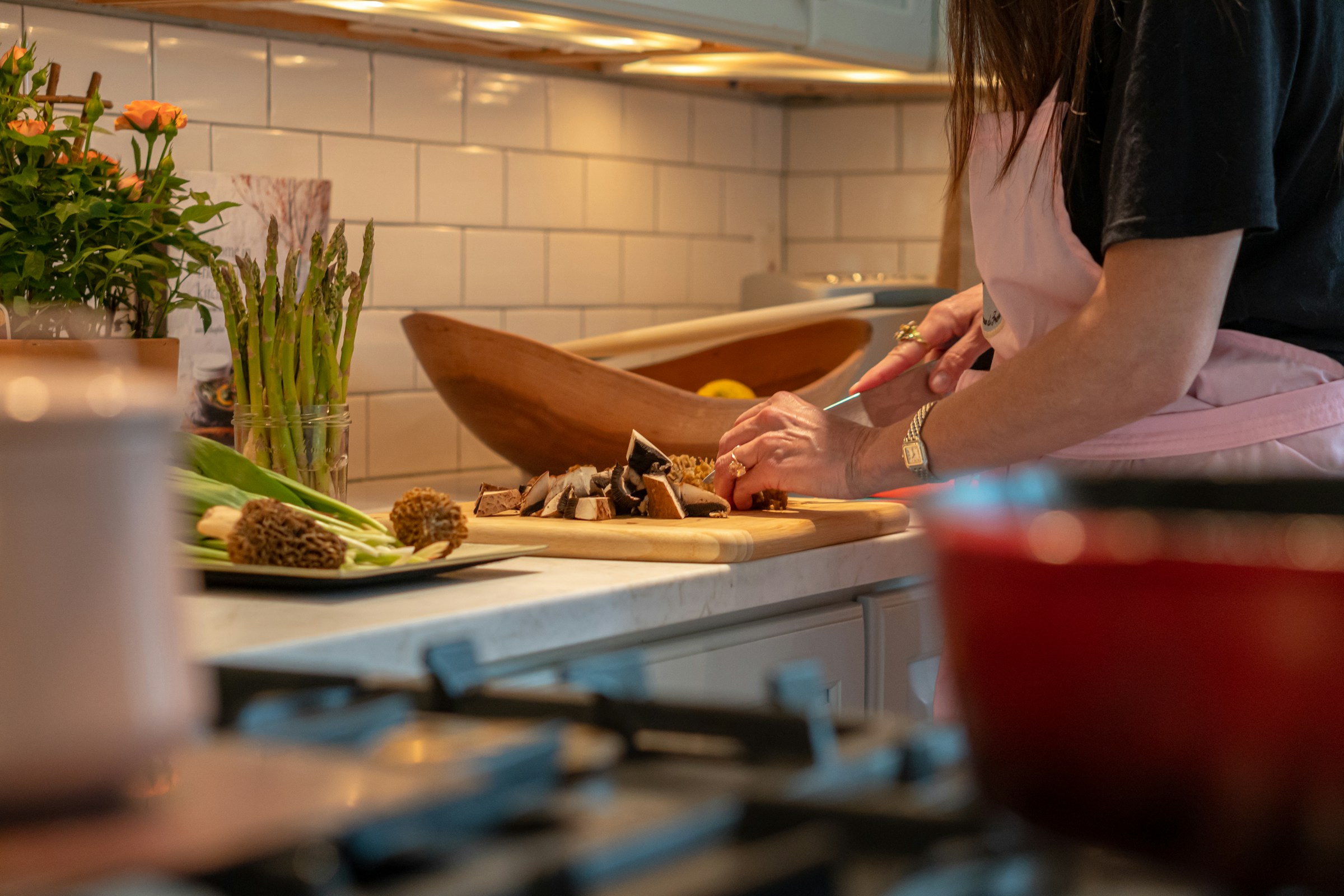
Grandma knew how to make a dollar stretch.
Cooking from scratch, repairing clothes, preserving food, and caring for what you already owned helped older generations spend less without feeling deprived.
These old-fashioned homemaking skills still work today.
They can lower grocery bills, reduce household expenses, prevent unnecessary replacements, and save you hundreds, or even thousands, over time.
The best part? You don’t need to master them all at once.
Here are the practical skills worth bringing back and how you can start using them in your own home.
Why Old Fashioned Homemaking Skills Still Matter
Old-fashioned homemaking skills still matter because they help you do more with what you already have instead of constantly paying for convenience, replacement, or outside services.
When you cook at home, mend a torn shirt, clean and maintain your appliances, or preserve food before it spoils, you reduce the number of things you need to buy or pay someone else to handle.
The savings may seem small at first, but a few dollars saved several times a week can become hundreds of dollars over a year, while bigger savings on groceries, clothing, repairs, and household purchases can push that total into the thousands.
For example, saving $20 a week by reducing food waste, avoiding unnecessary purchases, and making more meals at home adds up to more than $1,000 a year.
The goal is not to avoid spending money altogether, because some purchases and professional services are worth paying for when they save you time, protect your safety, or prevent a bigger problem.
Being frugal means spending with purpose and finding better ways to use your money, while simply buying less can leave you cutting back without actually improving how you manage your household.
The real value of these skills is that they give you more control over your spending because you can repair, reuse, prepare, maintain, and make things yourself when it makes financial sense.
Even learning one useful skill at a time can lower your expenses and make your household less dependent on expensive convenience products and services.
The kitchen is one of the easiest places to bring old-fashioned money-saving habits back into your routine because food is a regular expense that can quietly eat away at your budget.
Kitchen Skills That Save Hundreds on Food
1. Cooking From Scratch
Cooking from scratch means preparing simple meals from basic ingredients instead of regularly buying ready-made meals, takeout, or heavily prepared foods.
You do not need to make everything yourself, but replacing a few convenience foods each week can make a noticeable difference to your grocery budget.
Foods such as soups, pasta sauces, pancakes, muffins, oatmeal, salad dressings, casseroles, and simple snacks are often easy to prepare at home.
Start with meals your household already enjoys, then make larger portions so you have leftovers for another meal instead of cooking from scratch every day.
2. Baking Your Own Bread
Bread is another food that can be surprisingly economical to make at home, especially when you buy flour and yeast in larger quantities.
A homemade loaf can cost less than many premium store-bought breads, while also giving you control over the ingredients.
You do not need an expensive bread machine to get started because a mixing bowl, measuring tools, an oven, and a little patience are enough for many basic recipes.
To keep costs low, buy staple ingredients when they are on sale, store flour properly, and choose simple recipes that do not require expensive specialty ingredients.
3. Making Homemade Broth
Homemade broth is a classic example of getting more value from food you have already paid for.
Chicken bones, leftover meat bones, onion ends, carrot pieces, celery leaves, and other suitable vegetable scraps can often be saved and simmered into a flavorful broth.
Instead of throwing these usable scraps away, keep a freezer container for appropriate scraps and add to it until you have enough to make a batch.
Homemade broth can replace some cartons, cans, and cubes of packaged stock, while also giving soups, sauces, rice, and casseroles more flavor.
Always discard scraps that are spoiled, moldy, or otherwise unsafe rather than trying to salvage them.
4. Stretching Meat With Other Ingredients
Older generations often knew that a small amount of meat could feed more people when combined with inexpensive filling ingredients.
Adding beans, lentils, rice, potatoes, pasta, vegetables, or grains to meals can stretch meat without making the dish feel like you are simply cutting back.
For example, ground beef can be combined with beans in chili, lentils in a meat sauce, or rice and vegetables in a casserole.
This approach can be especially helpful when meat prices are high because you can use smaller portions while still creating filling family meals.
5. Planning Meals Around What You Already Have
Before going grocery shopping, check your refrigerator, freezer, and pantry to see what needs to be used first.
A pantry-first meal plan can turn ingredients you already own into several meals and reduce the temptation to buy more food simply because you cannot think of what to cook.
If you have rice, beans, vegetables, and leftover chicken, for example, you may already have the ingredients for a filling dinner.
Meal planning also gives you a shopping list based on actual needs, which makes it easier to avoid impulse purchases and duplicate items.
6. Preserving Seasonal Food
Seasonal produce can sometimes be much cheaper when there is an abundant supply, making it a good opportunity to buy extra and preserve what you cannot use immediately.
Freezing, drying, pickling, and properly done home canning can help extend the useful life of fruits and vegetables.
You could freeze berries for smoothies, dry herbs for later use, pickle suitable vegetables, or preserve surplus produce when prices are low.
The key is to preserve only what your household will realistically use because buying inexpensive food that eventually gets thrown away is not a saving.
For home canning, follow tested food-safety methods and recipes because improper processing can make preserved food unsafe.
7. Using Every Bit of Food
One of the simplest old-fashioned habits is learning to look at leftovers as ingredients for another meal rather than waste.
Roasted vegetables can become soup, leftover chicken can go into sandwiches or a casserole, and cooked rice can become fried rice or a filling for another dish.
Small amounts of vegetables can also be combined into omelets, soups, stews, pasta dishes, or other meals instead of being forgotten at the back of the refrigerator.
Planning a leftover night once a week is an easy way to use food before it spoils and reduce the number of meals you need to buy or prepare from new ingredients.
Cleaning Skills That Reduce Household Expenses
Good cleaning habits do more than make your home look better because they can help your furniture, clothing, appliances, and other belongings last longer.
Learning how to clean and care for what you already own can reduce the need to replace things prematurely.
8. Making Simple Homemade Cleaners
Many everyday cleaning jobs can be handled with a few affordable basics instead of a cabinet full of specialized products.
White vinegar, baking soda, mild soap, and water can be useful for certain household cleaning tasks, although they should not be mixed together carelessly because some combinations are ineffective or unsafe.
For example, mild soap and water can handle many everyday surfaces, while diluted vinegar can be useful for some hard-water deposits and glass-cleaning jobs.
The biggest saving comes from buying only the ingredients you actually need and using simple cleaners consistently rather than purchasing a different product for every cleaning task.
Always check the manufacturer’s instructions before using a homemade cleaner on a surface or appliance because some materials can be damaged by acidic or abrasive ingredients.
9. Cleaning Instead of Replacing
Something that looks old or dirty is not necessarily something that needs to be replaced.
Cleaning upholstery, polishing suitable furniture, removing buildup from cookware, and properly maintaining appliances can restore items that still have plenty of useful life left.
Before buying a replacement, ask yourself whether the item is actually broken or simply needs a thorough cleaning or small repair.
This simple habit can prevent unnecessary spending on furniture, kitchen equipment, appliances, and other household items.
10. Air-Drying Laundry
Using a clothesline or drying rack can reduce your reliance on the clothes dryer and may lower electricity use, depending on your local energy costs.
Air-drying can also be gentler on fabrics because clothes are not exposed to repeated high heat.
That matters because extending the life of your clothing means you do not have to replace worn-out items as often.
You can start small by air-drying delicate clothing, towels, or everyday items that do not need to be dried immediately.
11. Learning to Remove Stains
Knowing how to deal with stains can save clothing that might otherwise end up in the trash or donation pile.
The sooner you treat a stain, the better your chances of removing it before it becomes difficult to shift.
Keep a small collection of basic stain-removal supplies and learn which methods are suitable for common stains such as grease, food, mud, and grass.
Always check the clothing care label and test a cleaning method on an inconspicuous area first, especially when dealing with delicate or colored fabrics.
A few minutes spent treating a stain can be much cheaper than replacing a perfectly usable shirt, pair of trousers, tablecloth, or towel.
12. Deep Cleaning Regularly
Regular deep cleaning can prevent dirt, grease, dust, and mineral buildup from turning into expensive problems.
Cleaning refrigerator coils when appropriate, washing appliance filters according to manufacturer instructions, clearing lint from safe areas, and removing buildup from bathroom fixtures can help household items work properly.
The same principle applies to furniture, floors, cookware, and other frequently used possessions.
Instead of waiting until something looks worn out or stops working well, make basic cleaning and maintenance part of your regular routine.
A little attention now can help prevent avoidable damage and keep you from replacing things before you truly need to.
Clothing Skills That Can Save Thousands
Clothing can become a surprisingly large expense when small problems lead to constant replacements.
Learning a few basic sewing and mending skills can help you keep good-quality clothes in use for much longer.
13. Sewing Basic Repairs
You do not need to become an expert seamstress to handle the most common clothing repairs.
Learning to sew on buttons, close small holes, repair loose seams, and replace simple fasteners can save you from replacing otherwise wearable clothes.
A basic sewing kit with needles, thread, scissors, pins, and a few spare buttons is enough to handle many everyday repairs.
When a button falls off or a seam starts coming loose, fix it early before the problem becomes larger and more difficult to repair.
14. Mending Instead of Replacing
Mending gives damaged clothing a second chance and can be especially useful for items that are still comfortable, well-fitting, or expensive to replace.
Small holes can often be patched, reinforced, or neatly stitched before they spread.
Children’s clothes are particularly worth mending because they can develop tears and worn areas long before they are outgrown.
The same idea works for towels, sheets, curtains, bags, and other household textiles that can often be repaired instead of thrown away.
15. Learning Basic Alterations
Sometimes clothing does not need replacing because it is damaged; it simply does not fit quite right anymore.
Learning basic alterations such as shortening a hem, adjusting a waistband, or changing the length of sleeves can make an older garment useful again.
Simple alterations can also help you get more value from secondhand clothing because a low-cost item that needs a small adjustment may become a reliable addition to your wardrobe.
You can start with easy projects and practice on inexpensive garments before attempting more complicated alterations.
16. Repurposing Old Clothing
When clothing is too worn or damaged to repair, you can still find another use for the fabric.
Old cotton shirts can become cleaning rags, while larger pieces of fabric can be turned into reusable bags, simple cushion covers, craft materials, or quilt pieces.
Soft, absorbent fabrics can also replace some disposable cleaning materials around the house.
Repurposing does not mean keeping every old item forever, but it does encourage you to consider whether something has another useful purpose before throwing it away.
Home Maintenance Skills That Prevent Expensive Bills
Small problems around the house can become expensive when they are ignored for too long.
17. Learning Basic Plumbing
You do not need to be a plumber to handle simple household plumbing jobs.
Learning how to replace a worn washer, tighten a fitting, clear a basic drain blockage, or stop a small leak can save the cost of calling someone for a minor repair.
A small leak should never be ignored because even a slow drip can waste water and eventually cause damage.
However, know your limits and call a qualified professional when a problem involves major leaks, hidden pipes, sewage, gas, electrical systems, or work that could cause significant damage if done incorrectly.
18. Learning Basic Painting
Painting is one of the simplest ways to refresh a home without paying someone else to do the work.
You can repaint tired walls, doors, trim, cabinets, or suitable furniture instead of replacing them simply because they look dated or worn.
Good preparation matters because cleaning the surface, filling small holes, sanding when appropriate, and using the right paint can make a budget project look much better.
Keep leftover paint properly labeled and stored so you can use it for future touch-ups rather than buying another container for a small repair.
19. Basic Furniture Repair
Loose furniture does not always mean it is ready for the rubbish pile.
Tightening screws, securing loose joints, replacing simple hardware, and repairing minor scratches can extend the life of tables, chairs, cabinets, and other furniture.
A basic toolkit and a little patience can handle many small repairs that would otherwise encourage you to shop for a replacement.
Before buying new furniture, check whether the problem is structural or simply something that can be tightened, cleaned, repaired, or refinished.
20. Maintaining Household Appliances
Regular appliance maintenance can help prevent avoidable breakdowns and keep equipment working efficiently.
Clean accessible filters, vents, coils, and other parts according to the manufacturer’s instructions, and remove dust or buildup before it becomes a problem.
Simple maintenance is particularly important for appliances that rely on airflow because blocked filters and vents can make them work harder than necessary.
Always follow the manufacturer’s safety instructions and disconnect power when the maintenance procedure requires it.
A few minutes of routine care can help you get more useful years from expensive appliances and reduce the chances of paying for avoidable repairs.
21. Taking Care of Tools and Household Equipment
Tools are easier to replace when they are inexpensive, but quality tools and household equipment can last for many years when properly maintained.
Clean tools after use, sharpen cutting tools when appropriate, lubricate moving parts according to their instructions, and store everything somewhere dry and protected.
Proper storage also helps prevent rust, accidental damage, and the frustration of having to buy something you already own but cannot find.
Taking care of your tools means you can rely on them when a repair comes up instead of immediately reaching for your wallet to hire someone or purchase a replacement.
The larger lesson is simple: maintaining what you own usually costs less than replacing it, and learning basic repairs gives you more options when something goes wrong.
Homemaking Habits That Reduce Everyday Spending
Saving money is not always about finding the cheapest product or making a dramatic change to your lifestyle.
Often, the biggest difference comes from simple habits that stop small amounts of money from leaving your household every day.
22. Shopping With a List
A shopping list gives you a clear plan before you walk into a store.
Write down what you actually need after checking your pantry, refrigerator, freezer, and household supplies.
A list makes impulse purchases easier to spot because you can ask whether an item was planned or simply caught your attention while shopping.
It also helps you stay within a set budget because you are making spending decisions before you are surrounded by products designed to tempt you.
23. Buying Quality Instead of Constantly Replacing Cheap Items
The cheapest item is not always the least expensive choice over time.
A durable product that costs more upfront may save money if you use it for years instead of replacing a cheaper version several times.
Think about the cost per use rather than only the price on the label.
For example, a sturdy kitchen tool that you use hundreds of times may offer better value than a cheaper one that breaks after a few months.
Quality does not mean buying the most expensive option, so look for products that are well made, practical, repairable, and suitable for how you actually use them.
24. Reusing Containers and Household Items
Before throwing something away, consider whether it can safely serve another purpose.
Glass jars can hold pantry ingredients, sturdy boxes can organize household items, and suitable containers can help store leftovers.
Reusing something you already own means you do not have to spend money on another item simply to perform a job the old one can handle.
Of course, only reuse containers and materials when they are clean, safe, and suitable for their new purpose.
25. Borrowing Instead of Buying
Some things are simply not worth owning when you only need them once or twice a year.
Tools, books, gardening equipment, specialty kitchen equipment, and certain household items can often be borrowed from friends, family, neighbors, or a local library.
Sharing items can prevent several households from spending money on equipment that sits unused most of the time.
If you regularly need something, buying your own may make sense, but borrowing first can help you discover whether it is actually worth the expense.
26. Learning to Wait Before Buying
A waiting period can be one of the simplest ways to stop unnecessary spending.
When you want something that is not essential, wait a day or two before buying it, and consider waiting even longer for expensive purchases.
That pause gives you time to decide whether you genuinely need the item or simply wanted it because it looked appealing in the moment.
You can also ask yourself what problem the purchase will solve, whether you already own something similar, and how often you expect to use it.
This habit does not mean never treating yourself; it simply helps you spend money on things you actually value.
27. Keeping a Well-Stocked Pantry
A basic pantry can save money because it gives you ingredients for simple meals when you do not feel like making an extra shopping trip.
Affordable staples such as rice, pasta, oats, beans, lentils, flour, canned tomatoes, and other frequently used ingredients can form the foundation of many inexpensive meals.
Keep track of what your household actually uses rather than filling your cupboards with foods that eventually expire.
A well-managed pantry can also reduce emergency spending on takeout, convenience meals, and last-minute grocery trips when you already have enough ingredients at home.
The goal is not to have a house full of supplies, but to keep useful staples on hand so everyday decisions become easier and less expensive.
How Much Can These Old Fashioned Skills Actually Save?
The amount you can save depends on your household, current spending habits, and how often you use these skills.
Cooking more meals at home can create some of the biggest savings because replacing even a few takeout meals each month with homemade alternatives can free up a meaningful amount of money over a year.
Food waste is another area where small changes add up quickly, because using leftovers, freezing extra portions, and planning meals around food you already have means fewer groceries end up in the bin.
Clothing repairs can also stretch your budget by keeping shirts, trousers, jackets, towels, bedding, and other textiles in use instead of replacing them at the first sign of damage.
Making simple cleaners and handling basic household maintenance yourself can reduce the number of products and minor services you need to pay for, provided the job is safe and suitable for DIY.
Preserving inexpensive seasonal produce can help you get more value from grocery sales because you can freeze, dry, pickle, or properly can suitable foods for later instead of buying the same items when they are more expensive.
The savings become more noticeable when several habits work together rather than relying on one big money-saving trick.
For example, a household that cooks from scratch, wastes less food, repairs clothing, maintains appliances, and avoids unnecessary purchases can potentially keep hundreds or even thousands of dollars in the budget each year.
A smaller household that already spends carefully may save much less, while a larger household with high grocery and household expenses may have more opportunities to cut costs.
The best way to find your own number is to track what you spend now, choose a few skills to introduce, and compare your expenses after a few months.
That approach shows you which homemaking habits are genuinely saving money instead of assuming every old-fashioned practice will automatically be cheaper.
How to Start Bringing Old Fashioned Homemaking Back
You do not need to change the way you run your entire household overnight.
Start by choosing two or three skills that fit your lifestyle and have the greatest potential to reduce your current expenses.
If groceries are your biggest expense, begin with meal planning, cooking from scratch, using leftovers, or reducing food waste.
If you regularly spend money replacing clothes or household items, learning basic sewing and repair skills may give you a better return.
Choose skills that solve a real problem in your budget rather than trying to copy every homemaking habit from the past.
Once you have started, track what you spend each month and compare it with your previous spending.
You might find that cooking at home saves more than making homemade cleaners, or that repairing clothes has a bigger impact than buying fewer household products.
Give each new habit enough time to become part of your routine before adding another one.
As these skills become easier, gradually introduce others such as food preservation, basic home maintenance, air-drying laundry, or repurposing household items.
Old Fashioned Homemaking Skills That Pay Off the Most
- Cooking from scratch: Prepare affordable meals at home instead of regularly paying for takeout and convenience foods.
- Food preservation: Freeze, dry, pickle, or safely can seasonal foods so inexpensive produce lasts longer.
- Sewing and mending: Repair damaged clothing and household textiles instead of replacing them.
- Meal planning: Plan meals around what you already have to reduce impulse purchases and unnecessary grocery trips.
- Basic home repairs: Handle simple, safe repairs yourself and avoid paying for professional help for minor problems.
- Cleaning and maintaining possessions: Proper care helps appliances, furniture, clothing, and household items last longer.
- Reducing food waste: Use leftovers and suitable food scraps creatively so less of your grocery budget ends up in the trash.
Final Thoughts
Old-fashioned homemaking is not about doing everything the way people did generations ago.
It is about learning practical skills that reduce waste, stretch your money, and help the things you own last longer.
Choose two or three skills that fit your household and start using them this week.
Small changes can become meaningful savings when you practice them consistently.
FAQs
What are old fashioned homemaking skills?
Old-fashioned homemaking skills are practical household abilities such as cooking from scratch, sewing, preserving food, cleaning, repairing, and reducing waste.
What homemaking skills can save the most money?
Cooking from scratch, meal planning, reducing food waste, sewing, food preservation, and basic home repairs can provide some of the biggest savings.
How can homemaking save thousands of dollars?
Regularly cooking at home, repairing instead of replacing, maintaining household items, and avoiding unnecessary purchases can save hundreds or thousands over several years.
Is cooking from scratch really cheaper?
It often can be, especially when you use affordable staples, cook in batches, plan meals, and avoid expensive convenience foods and takeout.
What old fashioned skills can reduce grocery bills?
Meal planning, cooking from scratch, preserving seasonal foods, stretching meat, using leftovers, and making the most of pantry staples can lower grocery costs.
How can sewing save money?
Basic sewing lets you repair buttons, seams, tears, hems, and other damage instead of replacing otherwise usable clothing and household textiles.
What homemaking skills should beginners learn first?
Start with meal planning, cooking simple meals, reducing food waste, basic sewing repairs, and cleaning and maintaining the things you already own.
How can I become more self-sufficient at home?
Learn one practical skill at a time, such as cooking, sewing, gardening, food preservation, cleaning, or basic repairs, and gradually build a routine around them.