This page may contain affiliate links. If you choose to make a purchase after clicking a link, we may receive a commission at no additional cost to you. Our goal is to provide helpful and valuable content, and any commissions help us maintain this site and continue creating high-quality content for our readers. Thank you for your support!
Getting customers online is harder than it looks. Posting on social media alone isn’t enough anymore.
If you want steady growth, you need a way to reach the right people at the right time, and that’s where online advertising comes in.
The good news is you don’t need a big budget to get results.
Online ads let you target specific audiences, control your spending, and track exactly what’s working.
You can start small, test what works, and improve as you go.
In this guide, you’ll learn the best online advertising options for small businesses, how each platform works, and how to choose the right one for your goals.
What Is Online Advertising?
Online advertising is simply paying to promote your business on the internet so the right people see it at the right time.
Instead of waiting for customers to find you, you put your offer directly in front of them through platforms like search engines, social media, or websites they already visit.
It works by driving paid traffic, which means you pay for clicks, views, or impressions, unlike organic traffic, where people find you naturally through content, SEO, or word of mouth over time.
Organic methods are valuable but slow and less predictable.
At the same time, paid ads give you immediate visibility and control.
You can choose who sees your ads based on location, interests, behavior, or search intent.
This is especially powerful for small businesses because it levels the playing field.
You don’t need a big brand to compete, just a clear offer and a well-targeted campaign.
You can start with a small budget, test what works, and adjust quickly based on real data rather than guesswork.
That combination of speed, control, and measurable outcomes is what makes online advertising one of the most practical growth tools available today.
Benefits of Online Advertising for Small Businesses
Cost-Effective Marketing
Online advertising gives you full control over how much you spend, which makes it far more accessible than traditional marketing.
You don’t need a large upfront budget to get started.
Most platforms let you set daily limits, pause campaigns at any time, and adjust spending based on performance.
This means you can test different ads without risking too much money. If something works, you scale it.
If it doesn’t, you stop quickly and try a better approach. Over time, this helps you spend smarter, not more.
Targeted Audience Reach
One of the biggest advantages is precision.
Instead of showing your ad to everyone, you can focus only on people who are more likely to be interested.
You can target based on location, age, interests, online behavior, or even what someone recently searched for.
For example, a local business can show ads only to people nearby, while an online store can target users already looking for similar products.
This reduces wasted spend and increases your chances of getting real customers, not just clicks.
Quick Results
Unlike organic methods that can take weeks or months to build traction, online ads can start bringing in traffic almost immediately.
Once your campaign is live, your business becomes visible right away.
This is useful when launching a new product, promoting a limited offer, or simply trying to generate leads quickly.
While results still depend on your offer and targeting, you don’t have to wait long to see what’s working and what isn’t.
Easy Performance Tracking
With online advertising, you can see exactly what you’re getting for your money.
Most platforms provide clear data like clicks, impressions, conversions, and cost per result.
You can track which ads bring in sales, which ones get ignored, and where your budget is being wasted.
This allows you to make informed decisions instead of guessing.
Over time, these insights help you refine your strategy, improve results, and build a more reliable system for growth.
Best Online Advertising Platforms for Small Businesses
1. Google Ads
Google Ads works by showing your business to people who are actively searching for something you offer.
These are called search ads, and they appear at the top of search results when users type in specific keywords.
There are also display ads, which show visual banners across websites, helping you stay visible even when people aren’t actively searching.
This platform is best for reaching high-intent customers, meaning people who are already looking to buy or solve a problem.
Pros:
- Targets people ready to take action
- Fast results with the right keywords
- Flexible budgeting and control
Cons:
- Can get expensive in competitive industries
- Requires keyword research and ongoing optimization
2. Facebook Ads & Instagram Ads
Facebook and Instagram ads focus on reaching people based on who they are, not just what they search.
You can target users by interests, behaviors, demographics, and even past interactions with your business.
This makes these platforms powerful for building awareness and staying visible.
Ads can appear in feeds, stories, and reels, blending naturally into the user experience.
Best for: Brand awareness, engagement, and retargeting
Pros:
- Detailed audience targeting
- Strong visual formats (images and videos)
- Great for building brand presence
Cons:
- Lower buying intent compared to search ads
- Requires good visuals and messaging to stand out
3. YouTube Ads
YouTube ads allow you to promote your business through video content.
These ads can play before, during, or after videos, or appear as suggested content.
The key here is storytelling—showing your product, explaining a problem, or building trust through visuals.
You don’t need high-end production, but your message needs to be clear within the first few seconds.
Best for: Storytelling, product demos, and building trust
Pros:
- High engagement through video
- Strong potential for brand recall
- Works well for explaining complex offers
Cons:
- Takes more effort to create video content
- Can lose viewers quickly if the ad isn’t engaging
4. TikTok Ads
TikTok ads focus on short, fast-paced videos that feel natural to the platform.
Instead of polished ads, simple and authentic content often performs better.
Trends, sounds, and quick hooks play a big role in getting attention.
This platform is ideal if your business can create content that feels relatable and entertaining.
Best for: Younger audiences and trend-driven content
Pros:
- High reach potential, even with small budgets
- Content can go viral quickly
- Lower competition compared to older platforms
Cons:
- Requires consistent content creation
- Not ideal for every industry or audience
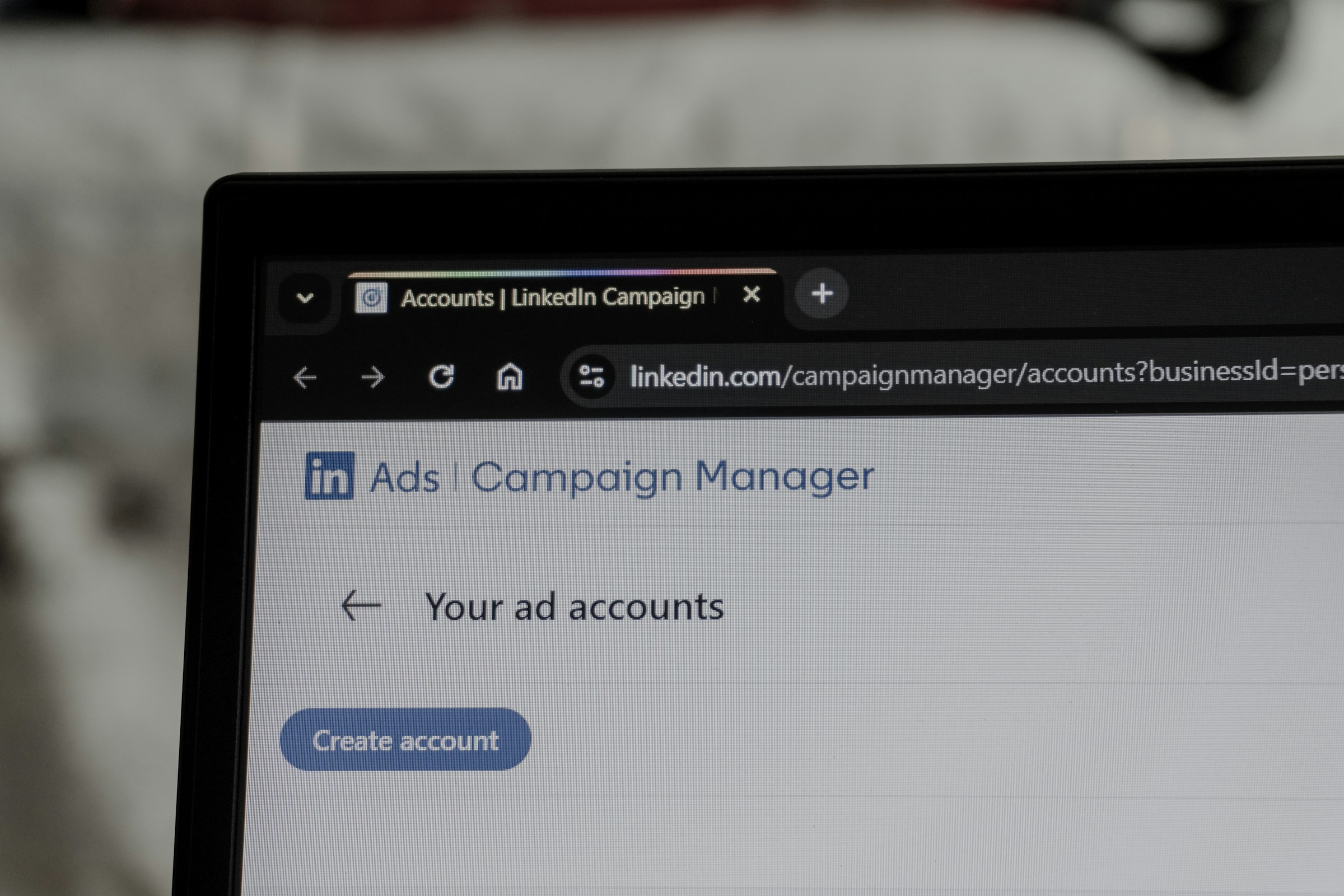
5. LinkedIn Ads
LinkedIn ads are designed for businesses that target professionals, companies, or decision-makers.
You can reach users based on job titles, industries, company size, and more.
This makes it a strong option for B2B services, consulting, or high-value offers where the audience matters more than volume.
Best for: B2B marketing, professional services, and lead generation
Pros:
- Highly specific professional targeting
- Quality leads over quantity
- Strong for building credibility
Cons:
- Higher cost per click compared to other platforms
- Smaller audience, depending on your niche
How to Choose the Right Advertising Platform
Define Your Target Audience
Start with clarity on who you want to reach. Be specific. Think about age, location, income level, interests, and buying behavior.
Go a step further and ask what problem they’re trying to solve and how they usually look for solutions.
Someone searching on Google Ads is often ready to act, while someone scrolling on Instagram may just be exploring. This difference matters.
The better you understand your audience, the easier it becomes to choose a platform where your ads feel relevant instead of intrusive.
Set Your Budget
Decide how much you’re willing to spend before you launch anything. Keep it realistic.
You don’t need a large budget, but you do need enough to test properly.
Start small, track results, and increase spending only when something is clearly working.
Some platforms, like Google Ads, can become expensive if you target competitive keywords, while others, like Facebook Ads, allow more flexibility with smaller daily budgets.
Choose Based on Business Type (B2B vs B2C)
Your business model should guide your platform choice.
If you sell directly to consumers (B2C), platforms like Facebook Ads, Instagram Ads, or TikTok Ads often work well because they focus on attention and engagement.
If you’re targeting other businesses (B2B), LinkedIn Ads is usually a better fit because you can reach people based on their job roles and industries.
This step helps you avoid platforms where your audience is less likely to take action.
Match Platform to Your Goals
Every platform serves a different purpose, so be clear about what you want to achieve.
If your goal is quick sales or leads, search-based platforms like Google Ads are often the strongest choice because they capture demand.
If you want to build awareness or grow a following, visual platforms like Instagram or YouTube can help you stay visible over time.
Trying to use one platform for everything usually leads to poor results.
Focus on one clear goal first, then expand once you see consistent performance.
Types of Online Ads You Can Run
Search Ads
Search ads appear when someone types a query into a search engine, usually through platforms like Google Ads.
These ads target keywords, which means your business shows up when people are actively looking for a solution. This is high-intent traffic.
If someone searches “plumber near me” or “buy running shoes,” they’re already close to making a decision.
Your job is to match that intent with a clear, relevant ad and a simple landing page.
Search ads work best when your offer solves a specific problem, and your keywords closely match what your customers are typing.
Display Ads
Display ads are visual banners that appear on websites, apps, and blogs. They don’t rely on active searches.
Instead, they place your brand in front of people as they browse online.
This makes them useful for building awareness and staying visible over time.
Platforms like Google Display Network allow you to target users based on interests, past behavior, or the type of content they’re viewing.
While display ads usually have lower click rates than search ads, they help keep your business top of mind, especially if someone isn’t ready to buy yet.
Social Media Ads
Social media ads show up directly in users’ feeds on platforms like Facebook Ads and Instagram Ads.
These ads are built around targeting people based on who they are (interests, habits, and demographics) rather than what they’re searching for.
This makes them effective for introducing your business, promoting offers, and building a relationship with your audience.
Strong visuals and simple messaging matter here.
People scroll quickly, so your ad needs to grab attention fast and make the next step obvious.
Video Ads
Video ads use short or long-form content to explain, demonstrate, or tell a story.
Platforms like YouTube Ads and TikTok Ads are built for this format.
Video gives you more time to build trust, show how your product works, and address common questions.
It doesn’t need to be perfect, but it does need to be clear and engaging from the start.
The first few seconds matter most. If you lose attention early, the rest of the message won’t land.
Retargeting Ads
Retargeting ads focus on people who have already interacted with your business.
Maybe they visited your website, clicked an ad, or added something to their cart but didn’t buy.
These ads remind them to come back and complete the action.
Platforms like Facebook Ads and Google Ads make this possible by tracking user behavior.
Retargeting is often one of the most cost-effective strategies because you’re reaching warm audiences who already know your brand.
A simple reminder, a small incentive, or a clear benefit can be enough to convert them.
Budgeting for Online Advertising
How Much to Start With
You don’t need a big budget to begin, but you do need enough to gather useful data.
A practical starting point for most small businesses is $5–$20 per day per campaign.
This range lets you test different audiences, creatives, or keywords without draining your budget too quickly.
If you’re running search ads on Google Ads in a competitive niche, you may need closer to $15–$30/day to see consistent clicks.
For social platforms like Facebook Ads, even $5–$10/day can be enough to start testing.
The goal at this stage isn’t profit, but it’s learning what works.
Once you see consistent results, you can scale your budget with more confidence.
Daily vs Monthly Budgets
Daily budgets give you tighter control. You decide exactly how much you’re willing to spend each day, and the platform works within that limit.
This is ideal for beginners because it prevents sudden overspending.
For example, setting $10/day caps your risk while still allowing steady data collection. Monthly budgets, on the other hand, offer more flexibility.
Platforms may spend more on high-performing days and less on slower ones, as long as they stay within your monthly limit—for example, $300/month.
If you’re just starting out, daily budgets are easier to manage.
As you gain experience and trust your campaigns, switching to monthly budgeting can help optimize performance.
Tips to Avoid Overspending
Set a clear limit before you launch any campaign and stick to it.
Avoid increasing your budget too quickly, even if you see early results; give your ads time to stabilize.
Focus on one or two campaigns instead of spreading your budget too thin across multiple platforms.
Use targeting carefully; broad audiences can burn through your budget without delivering results.
Regularly check your performance metrics inside platforms like Google Ads and Facebook Ads to spot wasted spend early.
Most importantly, pause anything that isn’t working. Saving money is just as important as making it, especially in the early stages.
Tips for Successful Online Advertising
Start Small and Test Campaigns
Begin with a limited budget and a single clear goal. This keeps risk low while you figure out what works.
Run small tests with different audiences, headlines, or offers instead of launching one large campaign.
For example, you might test two versions of the same ad with different messaging to see which one performs better.
Give each test enough time to collect data before making changes.
Avoid switching things too quickly, or you won’t know what actually made the difference.
Use Eye-Catching Visuals and Copy
Your ad has only a few seconds to grab attention. Clear visuals and simple, direct wording make a big difference.
Focus on showing the benefit of your product or service, not just the features.
A strong headline, a clean image or short video, and a clear call to action are enough in most cases.
On platforms like Facebook Ads and Instagram Ads, ads that feel natural and easy to understand tend to perform better than overly polished or complicated ones.
Target the Right Audience
Even a great ad won’t work if it’s shown to the wrong people. Take time to define who your ideal customer is and narrow your targeting accordingly.
Use location, interests, and behavior to refine your audience.
On Google Ads, this means choosing the right keywords that match what your customers are searching for.
On social platforms, it means focusing on users who are more likely to care about your offer.
Better targeting leads to better results without increasing your budget.
Track and Optimize Performance
Pay attention to what the data tells you. Metrics like clicks, conversions, and cost per result show whether your ads are working.
If an ad is getting clicks but no sales, the issue may be your landing page or offer.
If it’s not getting clicks at all, your message or targeting may need adjustment.
Platforms like Google Ads and Facebook Ads provide clear performance data you can use to improve your campaigns over time.
Small, consistent improvements often lead to better results than constant big changes.
Common Mistakes to Avoid
- Targeting too broad an audience
Reaching everyone usually means converting no one. When your audience is too wide, your message feels generic, and your budget gets wasted on people who aren’t interested. Narrow your targeting so your ads speak directly to the people most likely to take action. - Ignoring analytics
Running ads without checking the data is like guessing with your money. Platforms like Google Ads and Facebook Ads show you what’s working and what isn’t. If you ignore this, you miss opportunities to improve and risk spending on ads that don’t deliver results. - Not testing different ads
One ad is rarely enough. Small changes in headlines, visuals, or targeting can make a big difference in performance. Testing multiple variations helps you find what actually connects with your audience instead of relying on assumptions. - Spending too much too quickly
Increasing your budget too fast can lead to unnecessary losses, especially if your campaign isn’t fully optimized. Start small, confirm what works, and scale gradually. This approach protects your budget and builds more consistent results over time.
Final Thoughts
Online advertising gives small businesses a practical way to reach the right people, control costs, and track real results.
The key is choosing the right platform, starting with a clear goal, and testing what works before scaling.
Don’t try to do everything at once. Pick one platform, keep your budget small, and focus on learning.
Once you see consistent results, increase your spend and expand step by step.
FAQs
It depends on your goal. Google Ads works best for high-intent searches, while social platforms like Facebook Ads are better for engagement and awareness.
Start small, around $5–$20 per day, then increase your budget based on what’s working.
Paid search ads and social media ads usually deliver the quickest results once your campaign is live.
Yes, most platforms are beginner-friendly and provide step-by-step guidance to help you get started.