
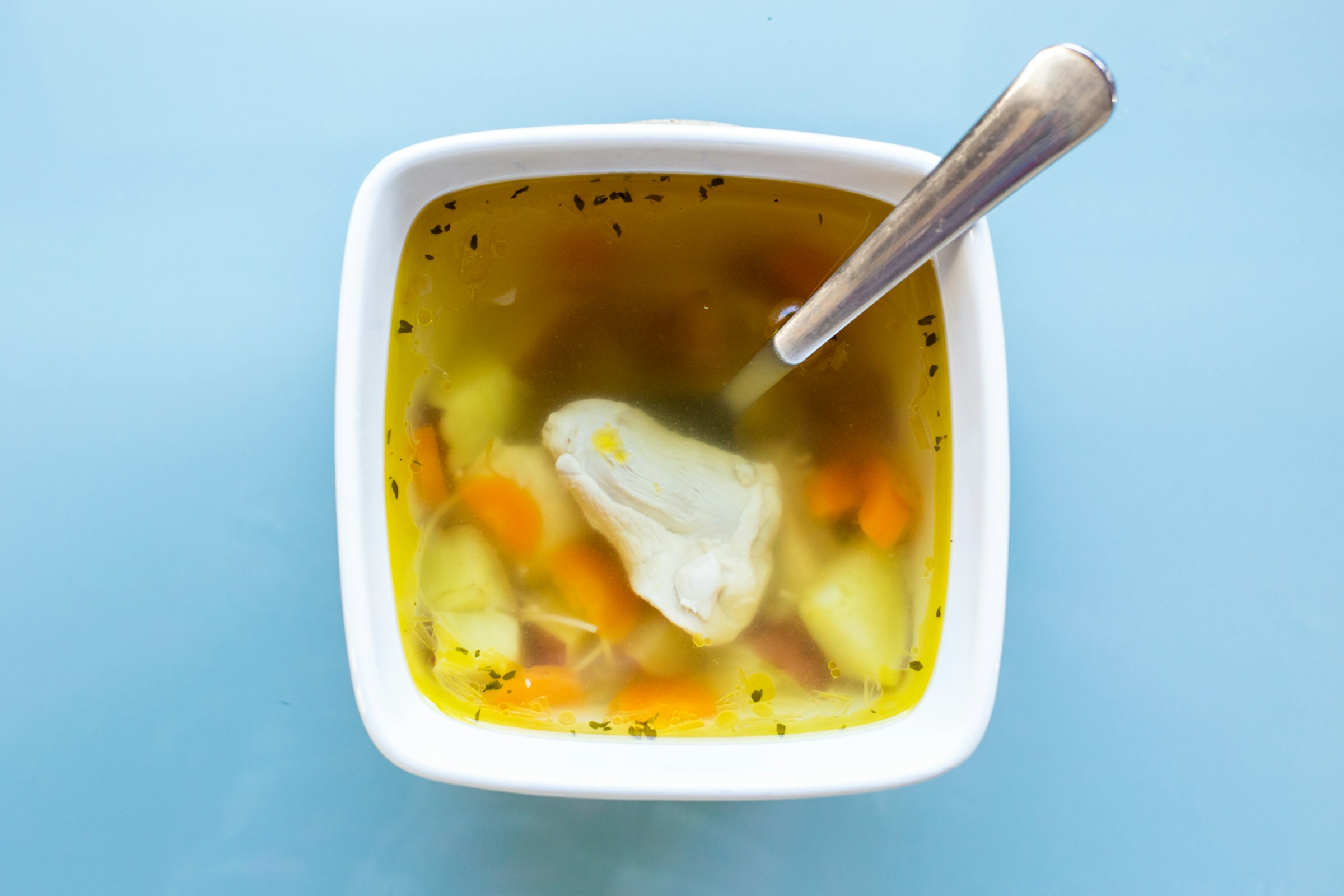
During the Great Depression, families learned to make filling meals from the cheapest ingredients they could find.
Potatoes, beans, rice, flour, cornmeal, and seasonal vegetables were stretched in clever ways to feed everyone.
Many of these simple meals are still easy and affordable to make today.
Here are some Depression-era recipes that prove you don’t need expensive ingredients to put a satisfying meal on the table.
Why Depression-Era Meals Were So Cheap
- Simple, inexpensive ingredients: Potatoes, beans, rice, flour, and vegetables were cheap, filling staples.
- Little or no meat: Families used small amounts of meat or skipped it altogether to lower costs.
- Homemade staples: Bread, sauces, soups, and other basics were often made at home instead of purchased.
- Stretching small portions: A little meat or other expensive food could flavor a much larger meal.
- Using leftovers: Leftover ingredients were turned into soups, stews, hashes, and other new meals.
- Seasonal foods: Families relied on affordable produce that was locally grown and in season.
21 Depression-Era Meals That Cost Almost Nothing
1. Potato Soup
Potato soup was an affordable way to turn a few basic ingredients into a warm, filling meal.
Potatoes, onions, water, or a simple broth were often enough to make a satisfying pot of soup.
The potatoes added plenty of bulk, while the onions provided flavor without adding much to the cost.
You can make it even more filling by adding leftover vegetables, beans, or a small amount of milk if you have them available.
2. Poor Man’s Stew
Poor Man’s Stew made a small amount of meat go much further by combining it with inexpensive vegetables.
Potatoes, carrots, onions, and a modest portion of meat could simmer together to create a hearty meal for several people.
The vegetables added volume, flavor, and nutrients, meaning you needed far less meat per serving.
It is also an easy recipe to adapt based on whatever inexpensive ingredients you already have.
3. Bean Soup
Dried beans were one of the most useful budget foods because they were inexpensive, filling, and easy to store.
A simple bean soup could combine dried beans with onions, carrots, water or broth, and basic seasonings.
After simmering, the beans became tender and created a hearty soup that could provide several servings.
Adding leftover vegetables or a small piece of ham could add flavor without turning the meal into an expensive dish.
4. Fried Potatoes and Onions
Fried potatoes and onions are about as simple as a budget meal gets.
Sliced potatoes and onions can be cooked in a skillet with a little oil or fat until tender and golden.
Seasonings such as salt and pepper are enough to make the dish flavorful, although leftover vegetables can easily be added.
It also works well as a side dish or as the base of a larger meal when combined with eggs or leftover meat.
5. Cornmeal Mush
Cornmeal mush was a simple dish made by slowly cooking cornmeal with water until it thickened.
It required only a few inexpensive ingredients, making it useful when food money was especially tight.
For a sweet version, you can add a little sugar, cinnamon, or milk.
For a savory meal, serve it with salt, butter, gravy, or leftover vegetables.
Because cornmeal was inexpensive and easy to store, it could provide a filling breakfast or simple meal without costing much.
6. Depression-Era Rice Pudding
Rice pudding turned a few inexpensive ingredients into a comforting breakfast or simple dessert.
Rice, milk, sugar, and cinnamon were enough to make a creamy dish that could stretch across several servings.
Cooking the rice slowly with milk also made a small amount of rice feel much more substantial.
You can serve it warm or chilled, depending on what you prefer.
7. Navy Bean and Ham Soup
Navy bean and ham soup was a smart way to get plenty of flavor from a small amount of meat.
Dried navy beans could be cooked with a ham bone or leftover ham to create a large, hearty pot of soup.
The beans provided most of the bulk, while the ham added a rich, savory flavor throughout the broth.
This is a good example of how families could reuse leftovers instead of letting valuable food go to waste.
8. Vegetable Soup
Vegetable soup was an easy way to turn inexpensive produce into a filling meal.
Families could use whatever vegetables were available, including potatoes, carrots, onions, cabbage, beans, or leftover vegetables from previous meals.
There was no need for an exact recipe because the ingredients could change based on what was on hand.
A large pot could also provide several meals, making it a practical choice when money and food were limited.
9. Dandelion Greens
Dandelion greens were sometimes gathered as a free source of food, particularly when families had limited access to store-bought vegetables.
The young greens could be washed and cooked simply, often with salt, fat, or other basic seasonings.
Foraging helped supplement meals without adding another item to the grocery bill.
If you forage today, make sure you can correctly identify edible plants and only gather them from areas free of pesticides and other contaminants.
10. Peanut Butter Bread
Homemade bread paired with peanut butter could make a simple meal that was inexpensive and satisfying.
Bread provided carbohydrates and bulk, while peanut butter added protein and fat to help make the meal more filling.
Making the bread at home could also reduce the cost compared with buying prepared foods.
This combination works well for breakfast, lunch, or a quick snack when you need something simple and affordable.
11. Creamed Chipped Beef on Toast
Creamed chipped beef used a small amount of dried beef to create a filling meal when served with a simple white sauce.
The beef was chopped into small pieces and stirred into the creamy sauce, allowing its salty flavor to spread throughout the dish.
Serving it over toast added bulk without requiring much additional food.
The bread also helped turn a modest portion of beef into a more satisfying meal.
12. Fried Cabbage and Potatoes
Fried cabbage and potatoes combined two inexpensive vegetables into a hearty skillet meal.
Potatoes provided plenty of bulk, while cabbage added flavor and texture at a low cost.
Both ingredients could be cooked together with a little oil or leftover cooking fat and basic seasonings.
You could also add leftover onions, carrots, or a small amount of meat if you had them available.
13. Navy Bean Stew
Navy bean stew relied on simple ingredients that were inexpensive and easy to keep in the pantry.
Dried beans, potatoes, onions, and basic seasonings could be simmered together until tender.
The beans made the stew filling, while the potatoes helped stretch the meal into several servings.
A little leftover meat or broth could be added for extra flavor, but the stew could still work well without it.
14. Tomato Soup and Homemade Bread
Tomato soup paired with homemade bread created a simple meal from a few affordable ingredients.
The soup could be made with canned or fresh tomatoes, water or broth, onions, and basic seasonings.
Freshly baked bread added carbohydrates and helped make the soup more filling.
This combination also made good use of pantry staples, especially when fresh food was limited or expensive.
15. Egg Drop Soup
Egg drop soup turned a few basic ingredients into a warm and satisfying meal.
A simple broth was heated and slowly mixed with beaten eggs to create soft ribbons throughout the soup.
Salt, pepper, and other inexpensive seasonings could add flavor without raising the cost much.
The eggs provided protein while the broth made the dish feel substantial without requiring expensive ingredients.
16. Macaroni and Tomatoes
Macaroni and tomatoes turned inexpensive pasta and tomatoes into a simple, filling meal.
Canned tomatoes worked well because they were affordable and could be stored for months, while fresh tomatoes could be used when available.
A little onion, salt, pepper, or leftover seasoning was enough to add more flavor.
The pasta provided plenty of bulk, making this a practical pantry meal when money was tight.
17. Cornbread and Beans
Cornbread and beans made a satisfying meal from two inexpensive staples.
Dried beans could be cooked slowly with onions and seasonings, while cornmeal could be turned into a simple homemade cornbread.
The beans provided protein and fiber, while the cornbread added energy and helped make the meal more filling.
A large pot of beans could also be stretched across several meals.
18. Mulligan Stew
Mulligan stew was built around one simple idea: use whatever food you have instead of letting it go to waste.
Potatoes, carrots, onions, beans, leftover meat, and other vegetables could all be added to the same pot.
There was no need for a strict recipe because the ingredients depended on what was available.
This made Mulligan stew a practical example of how resourceful cooking could turn odds and ends into a complete meal.
19. Leftover Meat Hash
Leftover meat hash gave yesterday’s dinner a second life instead of allowing food to go unused.
Chopped meat could be combined with potatoes, onions, and leftover vegetables and then cooked together in a skillet.
The potatoes added bulk, allowing a small amount of meat to feed more people.
A fried egg on top could also turn the hash into a more substantial breakfast or dinner.
20. Homemade Vegetable Pancakes
Homemade vegetable pancakes were another clever way to use inexpensive ingredients and leftovers.
A simple mixture of flour, potatoes, vegetables, and seasonings could be shaped into small pancakes and cooked in a skillet.
Almost any leftover vegetables could work, making the recipe easy to adapt to what you already have.
They could be served on their own or alongside beans, soup, or another inexpensive dish.
21. Depression-Era Apple Dessert
Simple apple desserts allowed families to enjoy something sweet without buying expensive ingredients.
Apples could be combined with flour, sugar, cinnamon, and other basic pantry staples to make a modest dessert.
Using seasonal apples helped keep the cost down, especially when they were plentiful and affordable.
The Cheapest Ingredients Used in Depression-Era Cooking
Depression-era cooking relied heavily on ingredients that were inexpensive, filling, and easy to use in many different meals.
These basic foods could be combined in countless ways, helping families prepare satisfying dishes without spending much money.
Potatoes
Potatoes were a valuable budget staple because they were inexpensive, filling, and incredibly versatile.
They could be boiled, fried, mashed, baked, added to soups, or combined with other leftovers.
A few potatoes could add enough bulk to a meal to make a small amount of meat or vegetables feed more people.
Dried Beans
Dried beans provided an affordable source of protein and could be stored for long periods without refrigeration.
Beans could be turned into soups, stews, baked dishes, or simple meals served with bread or cornbread.
Because they expand significantly when cooked, a relatively small amount could provide several servings.
Rice
Rice was another inexpensive staple that could stretch a meal without requiring much food.
It could be served with beans and vegetables or added to soups, puddings, and casseroles.
A small amount of rice could also make leftovers more filling, which helped families get more meals from what they already had.
Cornmeal
Cornmeal was useful for far more than making cornbread.
It could be cooked with water to make mush or used in simple breads, pancakes, and other inexpensive dishes.
Its low cost and long shelf life made it a practical pantry staple when food budgets were limited.
Cabbage
Cabbage was inexpensive, filling, and able to stay fresh longer than many other vegetables.
It could be boiled, fried, added to soup, or combined with potatoes and onions for a simple meal.
Its versatility meant one inexpensive head could be used across several different dishes.
Flour
Flour was essential for making homemade bread, biscuits, pancakes, and other baked foods.
Making these foods at home allowed families to get more servings from a relatively small amount of flour.
It could also be combined with inexpensive ingredients to create meals that were more filling than the individual ingredients alone.
Eggs
Eggs added protein and bulk to meals without requiring a large portion of meat.
They could be scrambled, boiled, fried, added to soups, or mixed into baked dishes.
A few eggs could also turn leftover vegetables or potatoes into a completely new meal.
Seasonal Vegetables
Seasonal vegetables were often cheaper because they were more plentiful when they were in season.
Families could use vegetables from their gardens, local farms, or nearby markets to supplement inexpensive pantry staples.
Using what was available locally also reduced the need to rely on costly or hard-to-find foods.
How Depression-Era Families Made Food Stretch Further
- Add potatoes or beans to meat dishes: These inexpensive staples added bulk so a small amount of meat could feed more people.
- Turn leftovers into soups and stews: Extra meat, vegetables, and grains could be combined into another filling meal.
- Save vegetable scraps for stock: Clean scraps such as onion ends, carrot peels, and celery pieces could add flavor to homemade stock.
- Bake bread at home: Homemade bread provided an affordable way to add filling calories to almost any meal.
- Use every edible part of food: Families avoided waste by finding ways to cook, preserve, or reuse as much food as possible.
- Cook large batches: Making bigger pots of soup, beans, or stew provided several meals from the same ingredients.
- Preserve seasonal produce: Canning, drying, and other preservation methods helped families save inexpensive produce for later.
- Grow vegetables when possible: Home gardens provided fresh food while reducing the need to buy produce.
Depression-Era Meals You Can Make for Under $5
- Potato soup: Potatoes, onions, and broth can make a large, filling pot of soup on a small budget.
- Beans and cornbread: Dried beans and homemade cornbread create an inexpensive meal with plenty of staying power.
- Fried potatoes and onions: A few potatoes and onions cooked in a skillet make a simple, satisfying meal.
- Macaroni and tomatoes: Pasta and canned tomatoes combine into a cheap pantry meal that can feed several people.
- Cabbage and potatoes: These inexpensive vegetables can be fried or simmered together for a hearty dish.
- Rice and beans: Rice and dried beans make a filling combination that is easy to prepare in large batches.
Note: Actual costs vary significantly by location, package size, and current food prices.
What We Can Learn From Depression-Era Cooking
Depression-era cooking shows that satisfying meals do not have to depend on expensive ingredients.
Simple Food Can Still Be Satisfying
Potatoes, beans, rice, vegetables, and homemade bread can be combined into meals that are filling and flavorful.
Simple cooking also gives you more control over what goes into your food and how much you spend.
Meat Doesn’t Need to Be the Centerpiece
Meat was often used sparingly, with beans, potatoes, grains, and vegetables providing most of the meal.
Adding a small amount of meat to a soup or stew can give you the flavor you want without paying for a large portion.
Pantry Staples Can Create Dozens of Meals
Keeping inexpensive staples such as rice, beans, flour, potatoes, and cornmeal on hand gives you plenty of options.
The same ingredients can be turned into soups, stews, side dishes, breakfasts, and baked foods simply by changing how you prepare them.
Leftovers Can Become Completely New Dishes
Leftover potatoes can become hash, while extra vegetables and meat can be added to soup or stew.
Using leftovers this way helps you get more value from every grocery purchase and reduces the amount of food that ends up in the trash.
Cooking From Scratch Can Reduce Reliance on Convenience Foods
Making bread, soups, sauces, and simple meals at home can cost less than regularly buying prepared versions.
It also lets you use basic ingredients you already have instead of making another trip to the store.
Resourcefulness Matters More Than Expensive Ingredients
Depression-era cooks had to work with what was available, which encouraged creativity and careful planning.
You can use the same approach today by checking your pantry first, planning meals around inexpensive staples, and finding ways to use every ingredient.
Depression-Era Food Habits Worth Bringing Back
- Meal planning around what you already have: Check your fridge and pantry first, then build meals around ingredients you need to use.
- Cooking from scratch: Homemade soups, breads, and simple meals can help reduce spending on prepared foods.
- Buying inexpensive staples in bulk: Items like rice, beans, flour, and oats can lower the cost per serving when stored properly.
- Growing herbs and vegetables: Even a small garden can provide fresh ingredients and reduce some grocery costs.
- Preserving seasonal foods: Canning, freezing, or drying extra produce can help you enjoy affordable seasonal foods later.
- Repurposing leftovers: Turn yesterday’s food into soups, casseroles, hashes, or other new meals instead of throwing it away.
- Keeping a well-stocked budget pantry: Having affordable staples available makes it easier to prepare meals without expensive last-minute purchases.
Final Thoughts
Depression-era cooking was built on simple ingredients, careful planning, and using every bit of food wisely.
Try a few of these inexpensive meals the next time you want to cut your grocery bill.
You don’t need expensive ingredients to make a filling, satisfying meal.
FAQs
What did people eat during the Great Depression?
People relied on affordable staples such as potatoes, beans, rice, cornmeal, bread, eggs, cabbage, and seasonal vegetables.
What was the cheapest food during the Great Depression?
Potatoes, dried beans, rice, cornmeal, flour, and seasonal produce were among the most affordable staples.
What are some Depression-era meals that are still cheap today?
Potato soup, beans and cornbread, rice and beans, fried potatoes, cabbage and potatoes, and macaroni with tomatoes are still budget-friendly.
What did poor families eat for dinner during the Depression?
Many meals consisted of beans, potatoes, vegetables, homemade bread, soups, stews, and small amounts of meat when available.
How did families make meat last longer?
They used small amounts of meat to flavor soups, stews, hashes, and casseroles while relying on potatoes, beans, and vegetables for bulk.
What meals can I make with potatoes and beans?
You can make potato and bean soup, bean stew with potatoes, fried potatoes and beans, or a simple potato and bean hash.
Were Depression-era meals healthy?
Some were nutritious because they included beans, vegetables, whole grains, and other basic foods, although diets varied and were often limited by food availability.
How can I eat like people did during the Great Depression?
Focus on inexpensive staples, cook from scratch, plan meals around what you have, stretch meat with beans or vegetables, and reuse leftovers.