
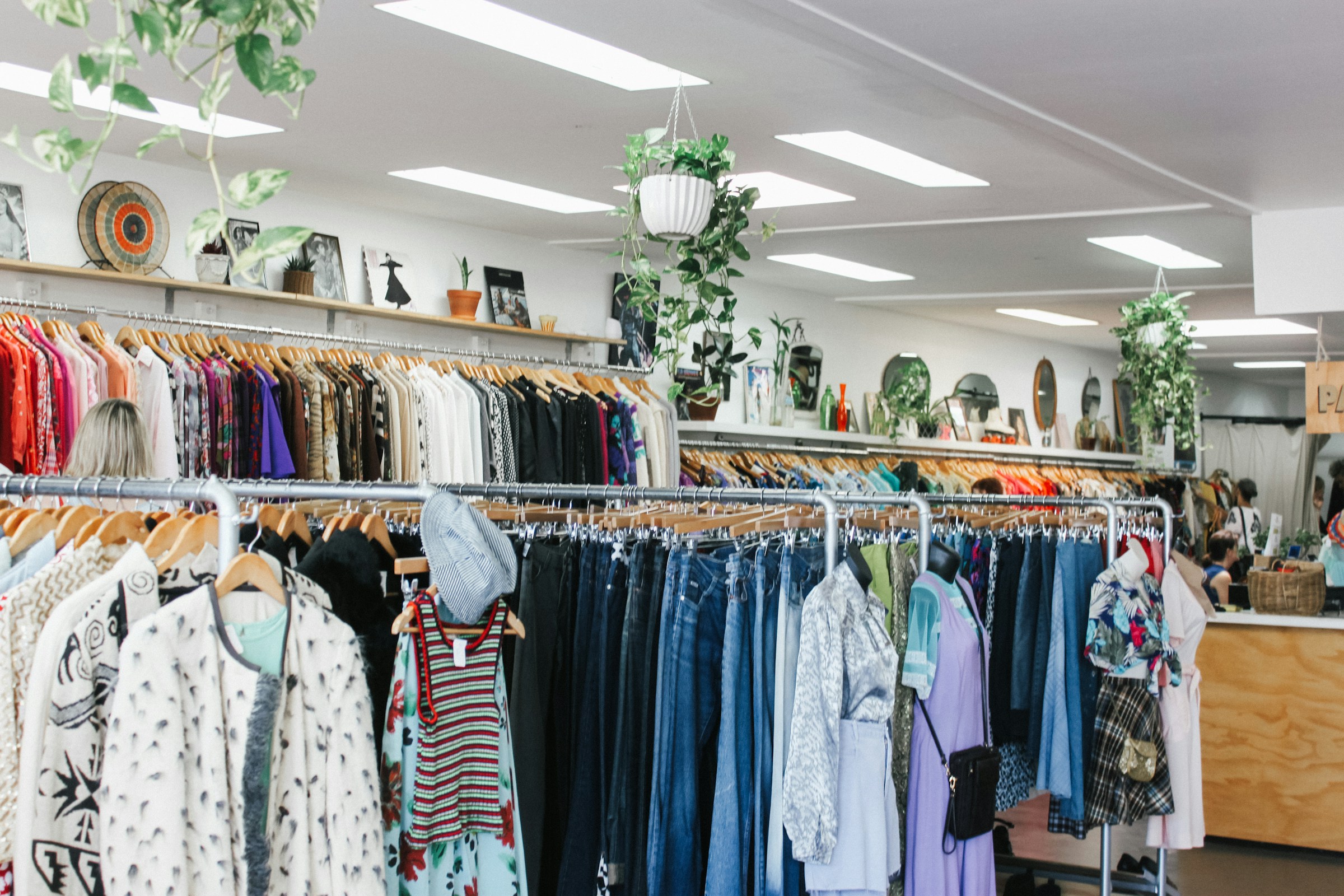
Thrift flipping is one of those side hustles that feels almost too good to be true.
You spot a hidden gem on a dusty shelf, clean it up, and sell it online for more than you paid. Simple, right? Pretty much.
It’s a beginner-friendly way to make extra money without any fancy tools or big investments.
You don’t need a warehouse or a business degree, but just a good eye and a little patience.
And the best part? You’re giving old items a second life instead of letting them end up in a landfill.
If you want a fun, low-risk, eco-friendly way to earn real profit, thrift flipping might be your new favorite hobby that pays.
What Is Thrift Flipping?
Thrift flipping is the simple art of finding underpriced secondhand items and turning them into profit. Think treasure-hunting with a profit margin.
First, you spot something undervalued (a vintage jacket, a solid teak lamp, a collectible book), buy it for less than it’s worth, then clean, repair, or style it so it looks and feels ready for a new owner.
Sometimes that’s a gentle wash, sometimes a new coat of paint, and occasionally a tiny repair that makes all the difference.
After preparing your item, list it on popular platforms like eBay and Etsy for vintage items, Poshmark and Depop for clothing, Facebook Marketplace for local bulky items, and Mercari or OfferUp for a mix.
Price it based on what similar items have sold for, not just what you paid.
The process is a loop: source, fix, list, ship (or meet), collect payment, rinse and repeat, and with practice, you’ll spot deals faster, know which platforms work best for each item, and turn what felt like junk into a steady side income.
Why Thrift Flipping Is Worth Trying
Low initial investment
You don’t need much to get started. A few dollars at a thrift store can buy an item that resells for ten times the price.
Basic supplies like cleaning products, a needle and thread, glue, and decent photos cost very little.
That keeps risk low and lets you learn without sweating over a big bill.
High profit margins
Many thrift flips carry big markups. Buy low, prep cheaply, and sell where buyers value rarity or condition.
A $5 jacket can become a $50 sale after a wash and nicer photos. The math adds up fast when you do the right picks and avoid overpaying.
Flexible and scalable
Flip when it fits your life. Do quick flips between errands or set aside a weekend for bigger projects.
You can scale slowly — sell locally at first, then expand to national platforms as you learn shipping and pricing.
Over time, you can specialize in a niche and increase volume without losing control.
Eco-friendly and promotes reuse
Flipping gives items a second life. That reduces waste and keeps usable goods out of landfills.
It’s a win-win: you make money and help the planet. Feeling good about a sale? That’s the cherry on top.
Best Places to Source Thrift Items
Local thrift stores
Local thrift stores are the bread and butter of sourcing. They rotate stock often, which means new treasures appear daily.
Walk in with an open mind, skim every aisle, and don’t be afraid to check odd corners.
Sometimes the best finds are hiding behind something boring, like a vintage lamp tucked behind a dusty plastic plant!
Charity shops
Charity shops tend to have cleaner, better-curated items because donations are sorted more carefully.
Prices can be slightly higher, but the quality makes up for it. Look for specialty charity shops that focus on clothing, furniture, or books.
These stores usually know their inventory well, which helps you spot value faster.
Garage sales
Garage sales are a goldmine because people want things gone, not priced.
You can negotiate easily, bundle items for cheaper, and walk away with a trunk full of goods for the price of a fast-food meal.
Arrive early for the best selection, but don’t ignore late mornings because sellers often drop prices as the day goes on.
Flea markets
Flea markets offer variety and volume. You’ll find everything from old tools to vintage clothing.
Some sellers know what they have, but many don’t mind haggling. Bring cash, move quickly, and trust your gut.
If something catches your eye twice, buy it before someone else does.
Facebook Marketplace / local classifieds
Online local listings save you time and can deliver huge wins.
Many sellers post poorly lit photos or vague descriptions, which means fewer buyers notice the item. That’s your chance to grab quality pieces for cheap.
Search daily, use saved alerts, and be ready to pick up quickly because deals disappear fast.
Estate sales
Estate sales are where higher-end pieces often show up, especially furniture, art, and collectibles.
Most items are priced fairly, and the selection tends to be consistent. Day one has the best items, day two has the best discounts.
Walk through every room, open drawers (politely!), and always check the garage because tools sell well.
Tips for spotting high-potential stores
- Look for stores with fast turnover, organized sections, or steady crowds because these usually signal strong inventory.
- Check thrift stores in neighborhoods with older homes; they tend to donate vintage or higher-quality items.
- Build a friendly relationship with staff and ask when they typically restock shelves.
- Keep a simple list or notes on every store you visit to spot patterns and identify which locations consistently offer great finds.
What Items Sell Best Online
Clothing (branded, vintage, unique finds)
Branded and vintage clothing sells fast because buyers love pieces they can’t find in stores. Look for quality fabrics, strong stitching, and recognizable labels.
Unique items with bold patterns or retro styles also grab attention and often sell quicker than basics.
Home décor
Home décor is always in demand because people constantly refresh their spaces. Mirrors, vases, wall art, and ceramics tend to flip well.
Check for chips, cracks, or missing hardware. Timeless or modern styles usually earn higher prices than overly niche designs.
Furniture (especially upcycled pieces)
Furniture offers some of the biggest profit margins, especially when you add a little elbow grease. Wooden pieces, solid construction, and clean lines sell best.
Avoid anything wobbly beyond repair. Upcycling, like sanding, painting, or changing hardware, can turn a dull piece into a standout moneymaker.
Electronics & small appliances
Small electronics are reliable flips when they work properly. Test everything before buying.
Look for well-known brands and items with their cords or accessories. Even outdated devices can sell if they’re collectible or hard to find.
Books, media, and collectibles
Certain books, vinyl records, DVDs, and collectibles still fetch great prices online.
First editions, niche topics, and out-of-print titles are worth a second look.
Research quickly with your phone, especially when something “feels” valuable — that hunch is often right.
Jewelry and accessories
Jewelry is easy to store, ship, and flip. Look for sterling silver stamps, unique vintage styles, and well-made costume jewelry.
Accessories like belts, hats, and bags also sell consistently when they’re clean and in good shape.
How to spot quality and demand
Quality shows up in materials, construction, and brand reputation.
Demand shows up in sold listings, trending searches, and how quickly similar items disappear from shelves.
Take a quick moment to research comps, trust your instincts, and pay attention to items you notice people consistently buying because the market always leaves clues.
How to Evaluate an Item Before Buying
Check for damage or missing parts
Start with a quick inspection. Look for cracks, stains, rips, missing screws, or anything that makes the item less appealing.
A tiny flaw can be fixed, but major damage usually isn’t worth the effort. If something feels “off,” trust that feeling and put it back.
Look for brand labels and maker marks
Brand names and maker marks can turn an ordinary item into a high-value find. Check tags, engravings, signatures, and stamps.
Well-known brands, even older ones, often sell fast because buyers trust their quality. If the name rings a bell, it’s worth a closer look.
Quick research on your phone
A 30-second search can save you from bad buys. Look up the brand, the item type, and recent sale prices.
If you can’t find anything similar online, proceed carefully because it might be rare, or it might simply have no demand.
Estimate resale value using comps
Use “sold” listings, not asking prices. What people actually paid tells you what your potential profit looks like.
Compare condition, size, and color to make sure you’re looking at the right match. If comps show a healthy margin, you’re good to go.
Factor in cost, time, and shipping
A great flip isn’t just about the difference between buy and sell price.
Consider how long it will take to clean or repair, how much shipping will cost, and how bulky the item is.
Some items look profitable on paper but eat up time or money in the process. Choose flips that make sense for your schedule and your wallet.
Cleaning, Repairing, and Upcycling Tips
Simple cleaning tricks
A quick clean can turn a “maybe” item into a guaranteed sale.
Wipe surfaces with mild soap, remove stickers with a little heat from a hairdryer, and use a lint roller or fabric shaver on clothing to make it look fresh.
Magic Erasers work wonders on scuffs, and a gentle wash can breathe new life into almost anything that isn’t delicate or vintage.
Easy fixes that boost value
Small repairs go a long way. Tighten loose screws, replace missing knobs, sew a tiny tear, or polish tarnished metal.
These little tweaks make an item look cared for and ready to use, and buyers are willing to pay more for something that feels “ready to go.”
When upcycling is worth the time
Upcycling pays off when the item has solid bones but an outdated style.
A simple coat of paint, new hardware, or modern fabric can completely transform a piece.
But don’t fall into the trap of taking on huge projects unless the profit clearly makes sense.
If it takes hours and the resale value barely moves, skip it.
Tools worth owning
A few basic tools make flipping easier and faster: a screwdriver set, wood glue, a staple gun, sandpaper, a small tool kit, and a fabric shaver for clothing.
Add a sewing kit, a basic sander, and quality paint if you want to dive deeper into furniture flips.
These tools don’t cost much, yet they make your upgrades cleaner, quicker, and more professional.
Where to Sell Your Flipped Items
eBay
eBay is the go-to platform for almost anything, like electronics, collectibles, clothing, home décor, and rare finds.
It has a huge buyer base and strong search visibility.
The downside? Fees add up, and shipping can feel overwhelming at first. But once you learn the system, it becomes one of your most reliable selling tools.
Etsy
Etsy is perfect for vintage items (20+ years old), handmade pieces, and upcycled furniture.
Buyers here appreciate uniqueness and craftsmanship, which means you can often charge higher prices.
However, Etsy isn’t ideal for modern or mass-produced products, so choose your listings wisely.
Poshmark
Poshmark shines with clothing, shoes, and accessories. It’s social, easy to use, and quick to list on.
The catch is its flat fee structure — simple, but sometimes high for lower-priced items. Still, if fashion is your niche, Poshmark is a strong contender.
Facebook Marketplace
Facebook Marketplace is great for bulky items like furniture, décor, appliances, and anything you don’t want to ship. It’s fast, local, and negotiation-friendly.
Just be prepared for no-shows and last-minute reschedules.
Depop
Depop is all about aesthetic appeal. Think trendy, vintage, Y2K, artsy, and niche clothing. Photos matter here more than on any other platform.
If your style leans creative or you enjoy curating unique pieces, Depop can become a steady income stream.
Mercari
Mercari is beginner-friendly, versatile, and less intimidating than eBay. You can sell almost anything: gadgets, home goods, shoes, toys, and more.
The audience is broad, though not as large as eBay’s, and shipping is straightforward with built-in labels.
How to Create Listings That Sell
Taking high-quality photos
Good photos are half the sale.
Use natural light when possible, clean the background, and take multiple angles — front, back, sides, close-ups, and any flaws.
Show scale by placing the item next to something familiar if needed.
Buyers trust listings that look clear and honest. Blurry photos? That’s the quickest way to get scrolled past.
Writing compelling descriptions
Write like you’re talking to a friend who just asked, “So what’s the deal with this item?” Keep it simple but informative.
Mention the brand, size, condition, materials, and any standout features. Be upfront about flaws so buyers feel confident.
Add a bit of personality if it fits — a small line like “This vase gives serious mid-century vibes” can make your listing more memorable.
Pricing strategies
Start by checking sold listings for similar items. Match the condition, brand, and style to get an accurate price range.
You can price slightly higher to leave room for negotiation or accept offers.
For fast sales, price competitively; for rare or in-demand items, don’t be afraid to go higher. Aim for a balance between profit and speed.
Understanding fees
Every platform has its own fee structure, and knowing them keeps you from losing money.
eBay takes a percentage, Poshmark has flat fees, Etsy charges listing and transaction fees, and Marketplace is usually free unless you ship.
Always factor fees into your pricing so you’re not surprised when your payout arrives.
Using keywords for SEO
Keywords help buyers find your listing. Think like a customer: what would someone type to search for this item?
Include brand names, color, size, style, and category terms like “vintage,” “mid-century,” “Y2K,” “boho,” or “minimalist.”
Add them naturally and don’t cram them in like you’re stuffing a suitcase.
The goal is to help your listing show up in searches and attract the right audience.
Shipping and Packaging Tips
Affordable packing materials
You don’t need fancy supplies to ship like a pro.
Save clean boxes from deliveries, use recycled bubble wrap, and grab packing paper from dollar stores or reuse newspaper.
Many carriers even offer free boxes for specific shipping services. The trick is keeping costs low without cutting corners on protection.
How to protect fragile items
Treat fragile items like they’re going on a rollercoaster. Wrap them generously, fill empty spaces so nothing shifts, and double-box if the item is extra delicate.
Shake the box gently — if you hear movement, add more padding. A few extra minutes of prep beats dealing with a broken-item refund later.
Labeling and tracking
Always double-check the shipping label before sticking it on, and place it on a flat, clean surface so scanners pick it up easily.
Tracking helps both you and the buyer stay calm during the journey.
Most platforms provide prepaid labels, which keep things simple and avoid surprise postage costs.
Offering free shipping vs. paid shipping
Free shipping attracts buyers, but it’s not “free” for you. If you offer it, build that cost into your price so your profit stays intact.
Paid shipping keeps the price lower upfront, but may discourage some shoppers.
A good rule of thumb: free shipping for small, lightweight items; paid shipping for bulky or heavy ones.
Handling returns professionally
Returns are part of the game, even when you do everything right.
Stay calm, respond quickly, and be polite because it keeps your ratings strong and your buyer relationships healthy.
Ask for photos if needed, follow the platform’s policies, and issue refunds promptly. Professionalism turns a minor hiccup into a non-issue for both sides.
How to Scale Your Thrift-Flipping Side Hustle
Automating listings
As you start selling more, listing every item manually becomes a time sink.
Use cross-listing tools, scheduling features, and template descriptions to speed things up.
Automation helps you post faster, stay consistent, and keep your store active even on busy days.
Think of it as putting your listings on autopilot while you focus on finding more great items.
Streamlining sourcing routines
Create a simple routine that helps you source smarter, not harder.
Visit your best stores on the same days each week, track when they restock, and set alerts on Marketplace or classifieds so deals come to you.
Over time, you’ll know exactly where to go, when to go, and what shelves to hit first. It turns random browsing into a predictable, efficient system.
Building niche expertise
The more you specialize, the easier flipping becomes. Maybe you love vintage clothing, mid-century furniture, or rare books.
Pick a niche and learn it inside out — brand names, materials, eras, and price trends.
The deeper your expertise, the faster you spot value, and the higher you can price your finds with confidence.
Reinvesting profits
Instead of pocketing every dollar, reinvest a portion into better tools, higher-quality inventory, or bulk purchases. This creates momentum.
A $20 profit today can turn into a $60 flip next week. Reinvesting builds a snowball effect that helps your side hustle grow without draining your wallet.
When to expand your selling platforms
You don’t need to join every platform on day one. Start with one or two, get comfortable, and expand as your inventory grows.
Add platforms when you consistently have enough items to fill them or when you start selling items that perform better elsewhere.
Expanding smartly, not just quickly, helps you reach new buyers without stretching yourself thin.
Final Words
Thrift flipping doesn’t need to be complicated. Start small, learn as you go, and let each sale teach you something new.
Your eye for good deals gets sharper with every flip, and your profits naturally follow.
It’s a side hustle that mixes creativity with a little adventure. One day it’s a quirky lamp, the next it’s a vintage jacket that practically sells itself.
So jump in, have fun, and enjoy the thrill of turning forgotten finds into money in your pocket.