
This page may contain affiliate links. If you choose to make a purchase after clicking a link, we may receive a commission at no additional cost to you. Our goal is to provide helpful and valuable content, and any commissions help us maintain this site and continue creating high-quality content for our readers. Thank you for your support!
Print-on-demand used to feel like a guessing game. Upload a design. Cross your fingers. Hope it sells. Most of the time, it didn’t.
AI changes that. It helps you spot what people want, shape a real brand, and create products that feel intentional—not random. Even if you’re starting from zero.
In this guide, you’ll see how to use AI to go from a simple idea to a full sales funnel.
Branding, designs, product pages, and traffic. Step by step. No tech jargon. No fluff. Just a smarter way to build a POD brand that actually sells.
Understanding Print-on-Demand as a Brand (Not a Side Hustle)
Print-on-demand works best when you treat it like a brand, not a quick side hustle.
Generic dropshipping chases trends, races to the bottom on price, and swaps products like socks. POD is different. You’re selling identity. Belonging.
A feeling someone wants to wear or gift. That’s why branding matters more than the design itself.
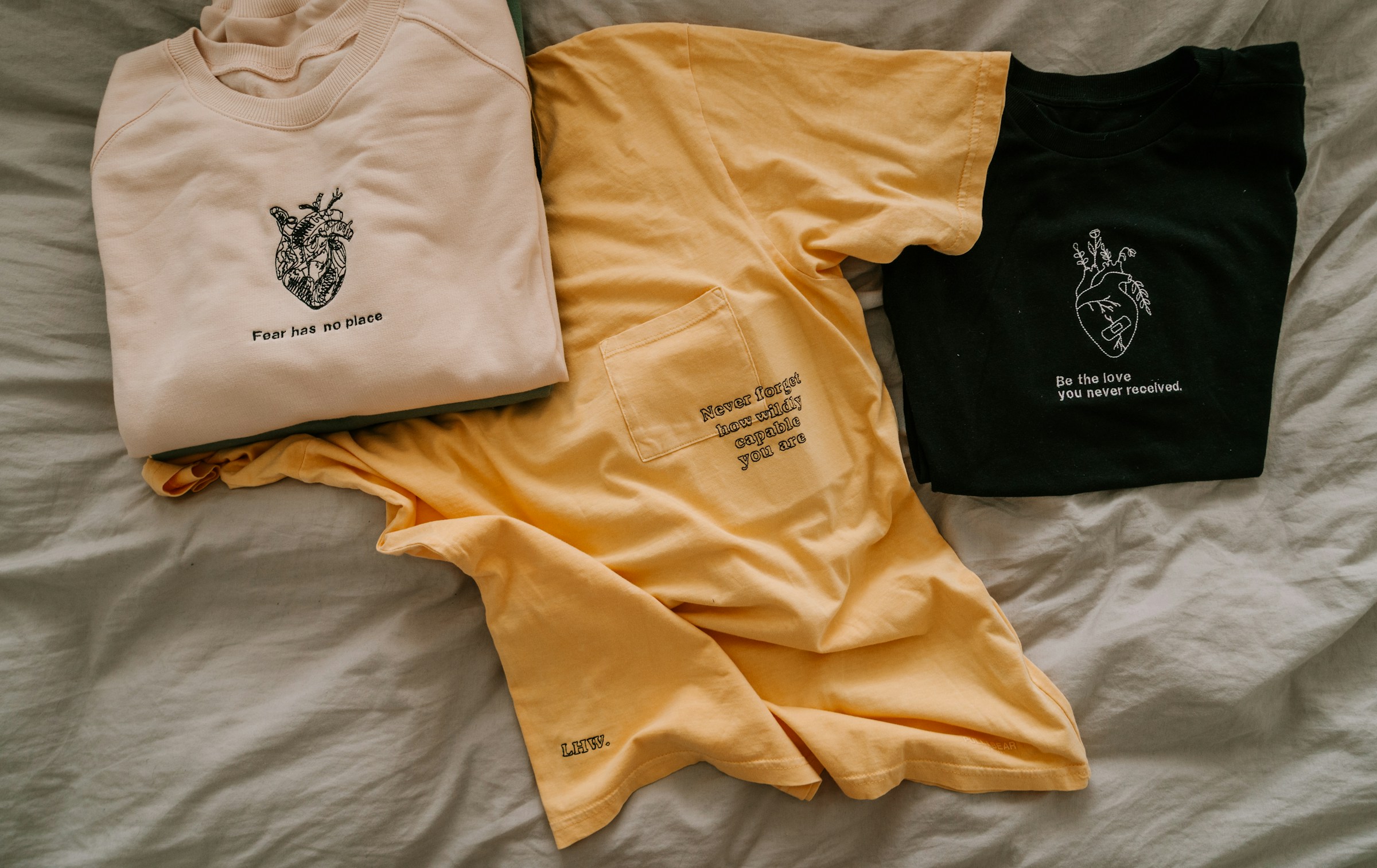
A simple phrase on a shirt can flop in one store and fly in another, purely because the brand tells a story people recognize themselves in.
Strong POD brands don’t ask, “Will this design sell?” They ask, “Who is this for, and why would they care?” That mindset shift changes everything.
The niche-focused winners you see online didn’t get lucky. They picked a clear audience, spoke their language, used inside jokes or shared struggles, and showed up consistently.
Think fitness brands that motivate without being cheesy, pet brands that feel like love letters to dog owners, or hobby brands that make people say, “That’s so me.”
Those brands don’t sell shirts. They sell signals. And once you understand that, POD stops being random uploads and starts becoming a real business with repeat buyers and long-term growth.
Using AI to Find a Profitable POD Niche
Identifying Evergreen vs Trend-Based Niches
Before you design anything, you need to know what game you’re playing. Evergreen niches are the slow burners.
Think hobbies, jobs, pets, parenting, fitness, faith, and everyday struggles that never go out of style.
They don’t spike overnight, but they don’t disappear either. Trend-based niches are fireworks. Loud. Fast. Gone before you finish your second design.
AI helps you see the difference by scanning search behavior, content patterns, and repeated phrases over time.
If people complained, joked, or bonded over the same thing five years ago and still do today, that’s evergreen.
If it exploded last month and went quiet yesterday, that’s a trend. Neither is wrong. But beginners usually win faster with Evergreen.
Using AI to Understand Audience Pain Points
People don’t buy shirts. They buy relief, laughter, or recognition. AI can help you uncover what keeps your audience up at night.
Feed it reviews, comments, forum posts, or social captions from your niche. Patterns appear fast. Frustration. Burnout. Pride. Inside jokes.
You’ll start seeing repeated phrases like, “Why is this so hard?” or “Only real ones understand.” Those are gold.
Designs that speak directly to a pain point feel personal. Almost spooky. Like the shirt is talking back.
Tapping into Emotions, Humor, Identity, and Lifestyle
Great POD brands don’t shout features. They whisper identity. AI can help you map emotional triggers by analyzing the tone and language people already use.
Some niches crave humor. Others want motivation. Some want quiet validation. A sarcastic nurse shirt works because it feels like a shared secret.
A minimalist gym brand works because it signals discipline without noise. Lifestyle niches are about belonging.
When someone wears your product, they’re raising a small flag that says, “This is me.” AI helps you spot which flag your audience wants to wave.
Validating Niche Demand Before You Create Products
Never fall in love before the first date. Validation comes before design. Use AI to check search volume, keyword intent, and content saturation.
Are people searching to buy or just to browse? Are competitors thriving or barely breathing? AI can also simulate buyer questions and objections, which tells you how close someone is to pulling out their wallet.
If demand exists, conversation is active, and buyers already spend money in that niche, you’re on solid ground. If not, pivot early. It’s cheaper than regret.
Building a Strong Brand Identity with AI
Creating a Brand Name Using AI
Your brand name is the front door. If it’s confusing, people don’t knock.
AI helps by generating names based on your niche, tone, and audience identity, not random word soup.
You can test names for clarity, memorability, and emotional pull in minutes. Say them out loud. If it sounds like a startup pitch deck, skip it.
The best names feel obvious once you hear them. Like they were always there.
Crafting a Brand Mission, Tone, and Personality
Brands feel human because they act human. AI helps you define what your brand stands for, who it’s for, and who it’s not for.
Are you bold or calm? Playful or serious? Encouraging or sarcastic? A clear mission keeps you from drifting. Tone keeps your messaging tight.
Personality keeps people coming back. When every caption, product, and email sounds like it came from the same voice, trust grows fast.
Generating Brand Slogans and Taglines
A good slogan doesn’t explain everything. It clicks. AI can generate dozens of slogan ideas based on emotion, humor, or identity.
Your job is to pick the one that feels like a wink, not a lecture.
If it makes someone nod, smile, or think “that’s me,” you’re close.
Creating Logo Concepts and Color Palettes
Logos don’t need to be fancy. They need to be recognizable. AI can generate logo concepts and color palettes that match your brand’s mood and audience.
Soft colors calm. Bold colors energize. Neutral tones signal confidence.
The key is consistency. One logo style. One color direction. No constant redesigning.
Brands that keep changing their look feel unsure. And uncertainty doesn’t sell.
Ensuring Brand Consistency Across Platforms
Consistency is where most beginners slip. AI helps you lock it down. Same tone on your product pages. Same vibe on social media.
Same visuals in ads and emails. When everything matches, your brand feels bigger than it is.
People don’t need to relearn who you are every time they see you. And that’s when strangers turn into customers, and customers turn into fans.
Creating High-Converting POD Designs Using AI
Generating Design Ideas That Actually Sell
Blank canvas fear is real, and AI fixes that fast.
You can prompt it with your niche, tone, and audience pain points to generate quote ideas, visual themes, and concept angles in seconds.
The trick is direction. Vague prompts give generic results. Clear prompts give gold. Ask for humor, frustration, pride, or motivation tied to daily life.
The best ideas feel like overheard thoughts. Things people already say but never thought to wear.
AI-Assisted Artwork vs Text-Based Designs
Not every product needs fancy art. Text-based designs often outsell complex graphics because they’re clear and bold. Easy to read from across the room.
AI artwork shines when it supports the message, not when it steals the spotlight.
Think simple icons, clean illustrations, or minimal graphics that frame the text.
If the design needs explaining, it’s too busy. Shirts aren’t billboards. Less usually wins.
Keeping Designs Original and Print-Ready
Originality matters. Both for trust and long-term survival. AI should assist, not copy.
Always tweak phrasing, layout, and visuals so your designs don’t look recycled.
Then comes print readiness. High resolution. Correct dimensions. Transparent backgrounds where needed, and Clean edges.
AI can help format files, but you still double-check. A great idea ruined by poor print quality is like a joke told with bad timing.
Optimizing Designs for T-Shirts and Hoodies
Clothing is about wearability. Designs should breathe. Center chest placements work well, but oversized prints can stand out in the right niche.
Hoodies need thicker lines and stronger contrast because fabric folds hide details. Test light and dark versions.
What looks sharp on a screen can disappear on fabric. AI mockups help you spot problems before they cost money.
Optimizing Designs for Mugs
Mugs are about moments. Morning coffee. Late nights. Office desks. Designs should wrap cleanly and read fast. Short phrases work best.
So do visuals that face outward when held. AI can help preview wraps and spacing so nothing gets cut off.
If someone has to turn the mug to understand it, you’ve lost the moment.
Optimizing Designs for Posters
Posters give you more room to breathe. Bigger visuals. More detail. Still, clarity rules. Posters should stop the scroll and hold attention from across a room.
AI can help test layouts, font sizes, and color contrast for impact. Think wall-worthy, not cluttered. If it feels calm and confident, you’re on the right track.
Product Selection & Mockups with AI
Choosing Winning Products for Your Niche
Not every product fits every audience. A funny quote might crush on a mug but flop on a hoodie.
AI helps you spot patterns by analyzing what already sells in your niche. Look at price points, formats, and product types that keep showing up.
Repetition is a clue. Start with one or two core products and master those. More products don’t mean more sales. Clarity beats clutter.
Creating Realistic Mockups Using AI
Mockups sell the product before the product ever exists. Flat images feel fake. Realistic mockups feel owned.
AI lets you place your designs on real people, real settings, and real lighting. A shirt on a person laughing beats a white background every time.
Same design. Different vibe. And vibe drives clicks. Good mockups answer the silent question buyers always ask: “Would this look good on me?”
A/B Testing Mockups and Product Styles
Guessing is expensive. Testing is cheap. AI makes it easy to compare mockups, colors, fits, and layouts.
One image might get ignored while another gets clicks for no clear reason. That’s normal. Buyers are emotional, not logical. Test two versions.
Watch what wins. Kill what doesn’t. Let data make the decisions so your feelings don’t have to.
Pricing Strategy for Higher Profit Margins
Cheap prices attract cheap loyalty. Pricing is part of your brand signal. AI can help analyze competitor pricing, perceived value, and buyer intent.
Aim for healthy margins, not race-to-the-bottom numbers. If your brand feels thoughtful and your mockups look premium, people expect to pay more.
Higher prices also give you room for ads, discounts, and mistakes. And mistakes will happen. Plan for them.
Building a Simple Sales Funnel for Your POD Brand
Why a Funnel Beats “Just a Store”
A store waits. A funnel guides. Big difference. Most visitors don’t buy on the first visit, no matter how good your design looks.
A funnel gives them a path instead of a dead end. It warms people up, builds trust, and answers doubts before they become excuses.
Think of it like a conversation, not a checkout page shoved in someone’s face. When you guide instead of hope, sales stop feeling random.
Awareness: Getting Seen Without Begging
Awareness is the first handshake. People discover your brand through content, ads, or social posts that speak to their life. Not your product.
No one wakes up wanting a shirt. They wake up with a problem, a mood, or a joke in their head.
AI helps you create posts that feel relatable, not salesy. If they stop scrolling, you’ve won step one.
Interest: Turning Strangers Into Curious Humans
Interest is where people lean in. They click. They read. They look around. This is where your brand voice, visuals, and message matter most.
Product pages, emails, or landing pages should answer one question: “Is this for me?” AI helps you match language to intent so visitors feel understood.
Purchase: Making Buying Feel Easy
Buying should feel obvious, not stressful. Clear pricing. Clean pages. No surprises.
AI helps optimize product descriptions, FAQs, and layout so friction disappears. Fewer choices. Strong social proof. A clear call to action.
When buying feels easy, people don’t overthink it. And overthinking kills sales.
Retention: Turning Buyers Into Repeat Customers
Retention is where real money lives. One-time buyers are fine. Repeat buyers build brands.
AI helps you follow up with smart emails, reminders, and offers that feel helpful, not annoying.
New drops. Related products. Simple thank-you messages. When customers feel appreciated, they come back. And they bring friends.
Choosing Between Etsy, Shopify, and Marketplaces
Etsy is fast. Built-in traffic. Lower control. Great for testing and early sales. Shopify gives you full ownership. Your brand. Your data. Your rules.
Slower at first, stronger long-term. Marketplaces are like renting. Easy to enter, risky to depend on. Owned platforms are like owning land.
Harder upfront, safer over time. Many smart POD brands start on marketplaces, then graduate to their own store. Crawl first. Then run.
Using AI to Write High-Converting Product Pages
AI-Generated Product Titles That Sell
Your title is the first impression. Blink, and it’s gone. AI helps you write titles that are clear, emotional, and buyer-focused, not stuffed with buzzwords.
Strong titles say who it’s for and why it matters. Fast. “Funny Dog Dad Shirt” beats “Premium Cotton Graphic Tee” every time.
Persuasive Product Descriptions That Focus on Benefits
Features describe the product. Benefits explain the payoff. AI helps flip that switch. Instead of talking about fabric weight, talk about comfort on long days.
Instead of print quality, talk about how it still looks good after wash number twenty.
People buy outcomes. They buy how something makes them feel. AI helps you say the quiet part out loud.
Emotional Hooks and Simple Storytelling
Stories sell because brains love patterns. AI can help you frame your product inside a small, familiar moment.
Morning coffee. Gym sessions. Late nights. Weekend laughs. One short scene is enough. “This is the shirt you grab when…” is often all it takes.
If buyers can picture themselves using it, they’re already halfway to checkout.
SEO Optimization for Organic Traffic
Traffic that doesn’t cost money is the best kind. AI helps you place keywords naturally without turning your page into a robot wrote it.
Product titles, descriptions, image alt text, and FAQs all matter. Focus on search intent.
What are people actually typing when they’re ready to buy? Answer that clearly.
When your page helps both humans and search engines, everyone wins.
Driving Traffic with AI-Powered Marketing
Using AI to Create Scroll-Stopping Pinterest Pins
Pinterest is a search engine wearing a mood board disguise. AI helps you turn one idea into multiple pin styles fast.
Pins should promise a feeling or a solution, not just show the product. “Perfect Gift for Dog Moms” beats “Dog Shirt.” Every time.
AI also helps you stay consistent without burning out.
Writing Instagram Captions People Actually Read
Most captions die after the first line. AI helps you fix that. Start with a hook that sounds like a thought, not an ad. Short. Relatable.
A little cheeky if it fits your brand. Then guide readers to the product without shouting.
Good captions feel like a friend pointing something out, not a salesperson tapping your shoulder.
Creating TikTok Scripts That Don’t Feel Forced
TikTok rewards realness. Polished is optional. Honest is not. AI helps you structure short scripts that open strong and get to the point fast.
First three seconds matter. Show the problem. Show the product. Show the result. Keep it simple.
If it sounds like a commercial, scrap it. If it sounds like a conversation, post it.
Writing Ad Copy That Sells Without Begging
Ads don’t fail because of price. They fail because they don’t connect.
AI helps you write ad copy that speaks to pain points, identity, and desire in plain language. When ads feel useful, people click.
Organic vs Paid Traffic: Knowing When to Use Each
Organic traffic is slow but sturdy. Paid traffic is fast but fragile. AI helps you balance both. Use organic content to test what messages work.
Then put paid fuel behind the winners. Don’t run ads to cold ideas. Let content do the vetting first. That’s how you avoid burning money.
Repurposing Content Without Sounding Repetitive
One idea can travel far. AI helps you turn a product story into a pin, a caption, a short video, and an ad without sounding like a broken record.
Change the angle. Keep the core message. Different platforms, same soul.
When your content works everywhere, your brand starts to feel everywhere too.
Email Marketing & Retargeting with AI
Building an Email List for a POD Brand
Social media is borrowed space. Email is home turf. An email list lets you talk to people without fighting an algorithm.
AI helps you create simple opt-ins that make sense, like early access, small discounts, or niche-specific freebies.
Don’t overthink it. Give people a reason to stay in touch. That’s it.
AI-Written Welcome Sequences That Feel Human
First impressions matter. A welcome email should feel like a handshake, not a receipt.
AI helps you write short sequences that introduce your brand, your vibe, and your best products without dumping everything at once.
One email says hello. Another tells your story. Another shows value. Keep it friendly. Keep it light. People should feel welcomed, not sold to.
Cart Abandonment and Upsell Emails That Recover Sales
Most people leave before buying, and that’s normal. AI helps you follow up without sounding desperate.
A reminder. A question. A gentle nudge. Sometimes that’s all it takes.
Upsell emails work the same way. Suggest something related. Make it useful. If it feels like help, not pressure, conversions follow.
Turning One-Time Buyers Into Repeat Customers
The real win is the second purchase. AI helps you spot patterns in buying behavior and send timely follow-ups. New releases. Complementary products.
Simple thank-you notes. When customers feel remembered, they return.
And when they return, your brand stops feeling like a store and starts feeling like a favorite.
Automating & Scaling the POD Business with AI
Automating Customer Support Replies
Customer support can quietly eat your time. Same questions. Every day. AI helps you automate replies without sounding cold or robotic.
Shipping questions. Sizing issues. Refund policies. Quick, clear answers build trust and save hours.
When customers feel heard fast, problems feel smaller. And you get your time back.
Order Tracking and Smart FAQs
Most support tickets come from confusion, not complaints. “Where’s my order?” “How long does shipping take?” AI-powered tracking emails and smart FAQs answer these before customers even ask.
Clear updates reduce anxiety. Fewer emails land in your inbox. Everyone wins.
Scaling Design Production Without Burnout
Burnout kills momentum, and AI helps you scale ideas without draining creativity.
Batch design concepts. Rework winners into variations. Test new angles fast.
You stay in control while AI handles the heavy lifting. The goal isn’t more designs. It’s better ones, created consistently without losing your sanity.
Expanding into New Niches or Collections
Once one brand works, expansion becomes strategic, not risky.
AI helps analyze audience overlap, buying behavior, and demand signals before you jump. New collections. Seasonal drops. Sister brands.
Each move is informed, not guessed. Scale should feel calm, not chaotic. When systems run the business, you’re free to grow it.
Common Mistakes to Avoid When Using AI for POD
Relying Too Much on AI Without Brand Direction
AI is a tool, not a brain. When you let it drive without a map, everything starts to look the same.
Strong POD brands lead with intention, then use AI to move faster.
If you don’t know who your brand is for, AI won’t magically figure it out.
Creating Generic, Overused Designs
If your design looks like it could belong to anyone, it belongs to no one. AI makes it easy to pump out ideas, which is also the danger.
Generic quotes. Safe humor. Flat visuals. These get ignored.
Winning designs feel specific. Personal. Like an inside joke. Use AI to spark ideas, then shape them with taste and context.
Ignoring Audience Research
Guessing is expensive. Audience research is free or close to it. Skipping it leads to designs that make sense to you, not buyers.
AI can scan reviews, comments, and forums in minutes. Use that.
When you understand what people complain about, laugh about, or brag about, selling becomes easier.
Skipping the Funnel and Focusing Only on Products
Products don’t sell themselves, but funnels do. Many beginners upload designs and wait. Then wait longer.
Without awareness, interest, and follow-up, even great products sit quietly.
AI helps build simple funnels that guide buyers instead of hoping they return. Focus on the journey, not just the item. Sales happen when the path is clear.
Realistic Income Expectations & Timeline
Most POD beginners don’t get rich in 30 days, and that’s okay. The first 30 to 90 days are about setup, testing, and learning what actually works.
Expect small wins first. A few sales. A design that clicks. Proof that strangers will pay.
Real traction usually shows up after consistent effort, not overnight luck.
Many brands start feeling momentum around the three to six-month mark, once the niche is clear, the messaging is tight, and the funnel starts doing its job.
AI speeds this up by cutting research time, design friction, and content creation in half, but it doesn’t remove the work.
You still have to think, test, and decide. AI gives you a faster bike, not a teleport button. Pedal or it goes nowhere.
Final Words
AI won’t replace your creativity. It sharpens it. Like power tools for ideas.
There’s never been a better time to build a POD brand. The barriers are lower. The tools are smarter. And most people still aren’t using them well.
Start small. Test fast. Learn quicker than yesterday. Then scale what works. One good decision at a time.