Most people think ads are only for big brands with fancy websites. That’s not true.
Pinterest Ads play by different rules, and that’s where the opportunity lives.
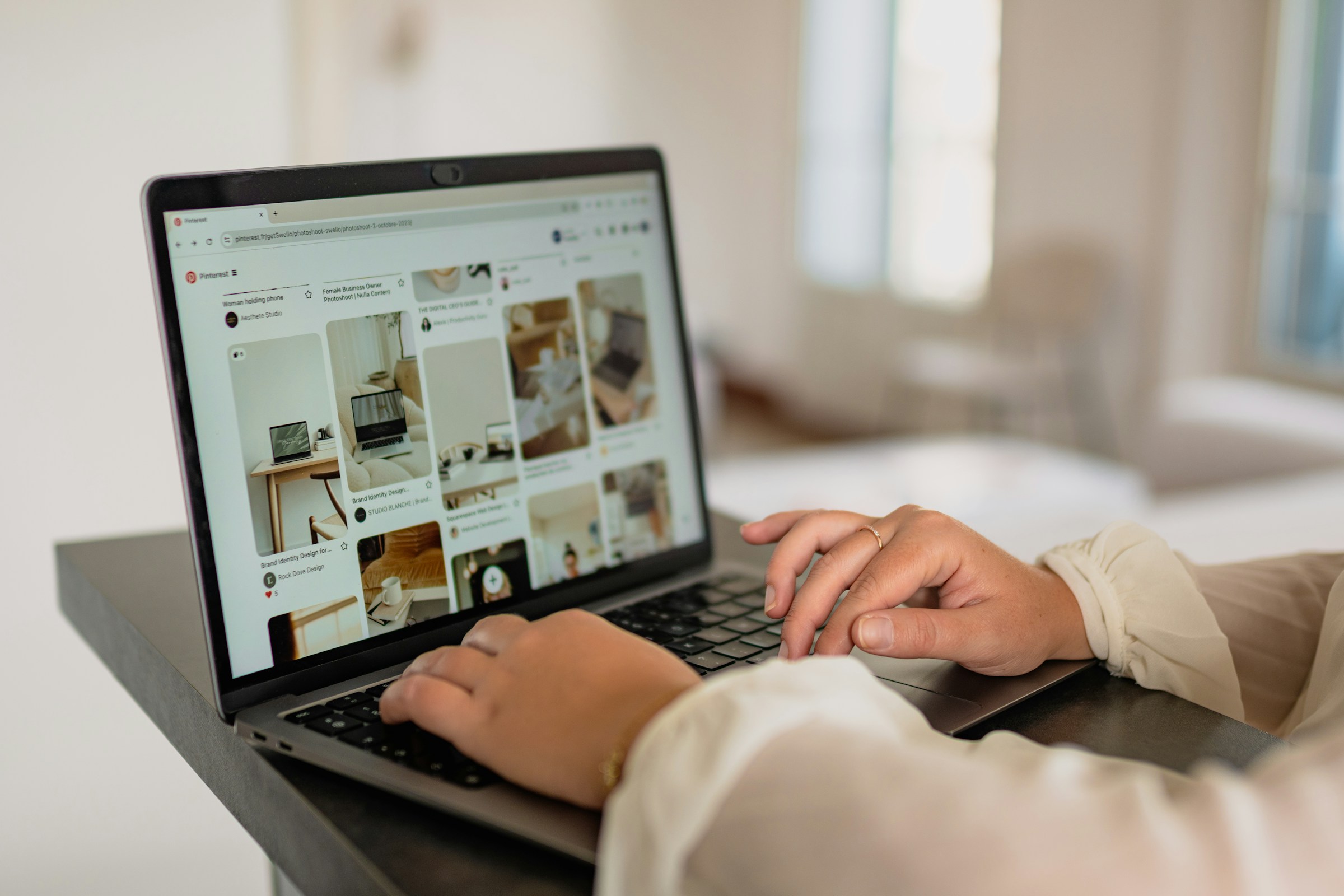
Pinterest isn’t about scrolling for drama. It’s about searching with intent. People come ready to plan, buy, and act.
Unlike Facebook or Google, Pinterest works like a visual search engine. Pins don’t disappear overnight. They keep working.
One good ad can bring clicks for weeks, sometimes months. That makes it perfect for simple offers and low-pressure selling.
Now, let’s kill the biggest myth. You do not need a website to make money online.
You just need the right link, the right offer, and the right audience. That’s it. No tech headaches. No blog setup. No waiting months to “be ready.”
This strategy is ideal if you’re a beginner, a creator, or running a side hustle after hours.
If you want results without complexity, you’re in the right place. Let’s break it down!
How Pinterest Ads Actually Work
Unlike most platforms, Pinterest isn’t built for chatting, arguing, or doom-scrolling. It works like a visual search engine.
People open Pinterest with a goal in mind. They search for ideas, solutions, and products they already want.
Think of it like walking into a mall with a shopping list, not wandering around killing time. Organic pins are the free version of this system.
You create a pin, add keywords, and Pinterest decides who sees it over time. Promoted pins are simply organic pins with fuel added. Same look. Same feel.
The only difference is speed and reach. Ads push your pin in front of the right people faster, while still blending in naturally with search results and feeds.
That’s why they don’t feel pushy or salesy. And here’s the real magic. Pinterest users aren’t browsing for fun.
They’re planning purchases, saving ideas, and comparing options. Wedding planners. New parents. Home renovators. Small business owners.
These people aren’t asking if they’ll spend money. They’re deciding where. That high intent is why even simple offers can convert well.
When your ad shows up at the exact moment someone is searching for a solution, selling stops feeling like selling. It feels like helping.
Can You Really Make Money Without a Website?
Short answer: yes. Long answer: also yes, just without the tech headache.
With Pinterest, the pin is the front door. Instead of sending people to a full website, you send them to something simpler and faster.
A product checkout page. An affiliate offer. A landing page. Sometimes, even a booking link.
That single page replaces a website by doing one job well—getting clicks to turn into actions. No blog posts. No menus. No distractions.
And let’s talk expectations, because honesty matters. This isn’t a magic ATM.
You won’t wake up rich next Tuesday. But it can bring steady, scalable income once you find what works.
Many beginners start with small daily profits, then grow as they test better pins and offers. The upside is real. The barrier is low.
And the risk is far smaller than building a full site that no one sees. If you can create a pin, pick an offer, and run a simple ad, you’re already in the game.
Best Ways to Profit from Pinterest Ads Without a Website
1. Affiliate Marketing with Direct Links
Affiliate marketing is the fastest way to get started. You create a pin, promote a product, and send people straight to your affiliate link.
Pinterest makes this feel natural because users already expect to click pins to discover products.
The key is choosing offers that solve a clear problem, not random links that scream “buy now.”
Many creators do well with digital tools, courses, templates, and lifestyle products that fit planning and problem-solving searches.
And yes, this is allowed. Pinterest permits affiliate links, as long as you follow the rules. Disclose the relationship. Don’t cloak links. Don’t spam.
Simple, honest pins win here. Think helpful guide, not pushy salesperson.
2. Selling Digital Products via Marketplaces
If you have your own product, marketplaces do the heavy lifting.
Platforms like Gumroad, Etsy, Payhip, and Lemon Squeezy replace a full website with a clean checkout page.
Pinterest traffic loves digital products because it’s full of planners and dreamers. Printables. Templates. Checklists. Guides. Workbooks.
If it saves time or removes confusion, it sells. A pin acts like a shop window. The marketplace handles the payment. You focus on traffic and testing.
3. Lead Generation for Email Lists
This is the long game, and it’s powerful. Instead of selling right away, you send Pinterest traffic to a simple landing page and collect emails.
Later, you monetize that list with products, affiliate offers, or services. Email beats instant sales for beginners because it builds trust over time.
You don’t need to close the deal on the first click. You’re starting a conversation. And conversations convert better than cold pitches.
4. Promoting Services or Freelance Offers
Pinterest isn’t just for products. It works surprisingly well for services too.
Coaches, freelancers, consultants, and done-for-you providers can use ads to attract warm leads.
Instead of a website, you send traffic to a booking page or a simple bio-link with one clear call to action. Think “Book a free call” or “View my services.”
When someone clicks a pin looking for help and lands on a clean offer, it feels like perfect timing.
Tools You Need (Minimal Setup)
Pinterest Business Account
This is your control room. A Pinterest Business account gives you access to ads, analytics, and audience targeting.
It’s free, easy to set up, and non-negotiable if you want to run ads.
You’ll see what pins get clicks, what ads convert, and where your money is actually going.
Simple Landing Page or Bio-Link Tool
You don’t need a website, but you do need a clean destination. One page. One goal. That’s it. This page replaces your homepage, blog, and menu all at once.
Whether it’s a landing page or a bio-link, the job is simple—turn curiosity into action. Fewer choices mean fewer exits.
If people don’t have to think, they don’t hesitate.
Payment or Checkout Platform
This is where the money lands. Marketplaces and checkout platforms handle the boring stuff like payments, delivery, and receipts. You focus on traffic.
They handle the rest. No tech stress. No late-night troubleshooting. If someone can buy in two clicks instead of ten, you win. Speed sells.
Basic Design Tool for Pins
Looks matter on Pinterest. A lot. You don’t need to be a designer, though. A tool like Canva is more than enough. Clean fonts. Bold text. Clear promise.
Your pin should explain the benefit in one glance. If it takes effort to understand, it gets skipped. Simple beats fancy every time.
Creating High-Converting Pinterest Ads
Pin Design Best Practices
On Pinterest, your pin is the first handshake. Make it firm, not awkward. Use vertical images. Big text. High contrast. One clear idea per pin.
If your design looks like a cluttered junk drawer, people scroll past without a second thought.
Clean pins feel trustworthy. Trust gets clicks. And clicks pay the bills.
Headlines That Stop the Scroll
Your headline is the hook. Miss it, and nothing else matters. Speak to a problem people already feel. Promise a clear outcome.
Skip clever wordplay and choose clarity instead. “How to Save $500 on Groceries” beats “Smart Shopping Hacks” every time.
If someone can understand the benefit in three seconds, you’re doing it right.
Keyword Targeting vs Interest Targeting
Keyword targeting is where the magic usually happens. You show up when someone is actively searching. That’s high intent.
Interest targeting is more like casting a wide net and hoping for a bite. It can work, but it’s less precise.
Beginners should start with keywords. Meet people at the exact moment they want a solution. Timing is half the sale.
Budget Setup for Beginners
Start small. Always. Think coffee money, not rent money. A modest daily budget gives you data without stress. Let ads run long enough to breathe.
Don’t panic after one slow day. Pinterest ads warm up over time. Test a few pins, watch what gets clicks, and then double down on what works.
Slow and steady beats broke and frustrated.
Pinterest Ads Strategy for Beginners (Step-by-Step)
Choose One Monetization Method
Start with one lane. Not five. Pick a single way to make money and ignore the rest for now. Affiliate links. Digital products. Email leads. Services.
Any of these works on Pinterest. The mistake beginners make is trying to do everything at once.
That’s how focus disappears, and results stall. One method keeps your message clear and your ads simple.
Pick One Clear Offer
One offer beats ten confusing ones. Decide exactly what you’re sending people to and why they should care.
A product. A free download. A booking call. If you can’t explain the benefit in one sentence, it’s too complicated.
Clear offers convert better because people don’t like thinking on autopilot.
Create 3–5 Pin Variations
Never bet on a single pin. Create a few versions with different images, headlines, or angles.
Same offer. Different outfits. Some pins will flop. That’s normal. Others will quietly pull ahead. Testing isn’t failure. It’s feedback.
Launch Low-Budget Ads
Keep your budget small and your expectations calm. You’re buying data, not yachts.
Low-budget ads let you see what people click without risking regret later.
Let them run long enough to collect real signals. Patience here saves money down the road.
Track Clicks, Saves, and Conversions
This is where guessing stops. Watch what gets clicks. Watch what gets saved.
Most importantly, watch what converts. Saves mean interest. Clicks mean curiosity. Conversions mean cash.
Follow the numbers, not your feelings. The data always tells the truth.
Common Mistakes to Avoid
Sending Traffic to Random Links
Random links kill momentum. Every pin should send people to one clear destination with one clear goal.
When users click a pin on Pinterest, they expect a smooth next step, not a maze. Confused visitors don’t convert. They bounce.
Ignoring Pinterest Ad Policies
Policies aren’t exciting, but breaking them is expensive. Ignoring the rules can get ads rejected or accounts restricted. Be honest in your claims.
Avoid clickbait. Disclose affiliate links. Play clean, and you stay in the game. Shortcuts here usually end in frustration.
Poor Pin Design and Weak Copy
Ugly pins don’t get clicks. Neither do vague headlines. Pinterest is visual first, logic second.
If your pin looks messy or your message feels fuzzy, people scroll past without thinking.
Clear design plus clear words wins every time. Simple beats clever. Always.
Giving Up Too Early
This is the silent killer. Many ads fail before they’ve had time to learn. Pinterest ads need breathing room. One slow day doesn’t mean the strategy is broken.
Testing is part of the process. The people who win are rarely the smartest. They’re the ones who stay long enough to let the data do its job.
How Much Money Can You Realistically Make?
Let’s keep it real. Beginners usually start small, and that’s normal.
Early wins might look like a few dollars a day, then a few dozen, as you learn what works on Pinterest. Intermediates think differently.
They test faster, read the data, and reinvest profits, which is how numbers grow from side money to serious income.
Profitability depends on a few big levers.
Your offer matters. Your pin clarity matters. Your targeting matters. And patience matters more than people admit.
One strong pin can quietly carry the load, bringing steady clicks while you sleep. When you find that winner, scaling is simple, not dramatic.
Increase the budget slowly. Duplicate the pin. Test new headlines. Let the system do what it already proved it can do.
This isn’t about chasing virality. It’s about stacking small wins until they add up.
Website vs No Website: Pros & Cons
Not having a website can actually be an advantage, especially early on. Fewer moving parts mean fewer things to break. You move faster.
You test ideas quickly. On Pinterest, speed beats perfection.
Sending traffic straight to a clean offer removes friction and keeps the focus on conversions, not page layouts and plugins.
That said, there comes a point when a website makes sense. Usually, after you’ve proven that an offer works.
A site gives you more control, stronger branding, and room to grow content, collect emails, and stack long-term traffic.
The transition doesn’t need to be dramatic. Start by adding a simple homepage or blog that supports what’s already working.
Redirect winning pins to new pages. Keep old links running while you test the shift. Smooth moves beat sudden turns.
Build the plane while it’s flying, not before it leaves the ground.
Conclusion
Pinterest Ads are underrated because they meet people at the moment they’re ready to act. No shouting. No chasing.
Just quiet intent turning into clicks. Starting without a website lowers the barrier and removes the excuses. Less setup. More testing. Faster feedback.
Now the ball’s in your court. Test one idea. Track what works. Scale what pays.
You don’t need perfection to win here. You just need motion and a little patience while the numbers do their thing!