
This page may contain affiliate links. If you choose to make a purchase after clicking a link, we may receive a commission at no additional cost to you. Our goal is to provide helpful and valuable content, and any commissions help us maintain this site and continue creating high-quality content for our readers. Thank you for your support!
Most people think creating a digital product takes months. Endless planning. Perfect designs. And a lot of stress. That belief is wrong.
Today, simple digital products are winning. Not huge courses. Not fancy setups. Just clear solutions to real problems. Built fast and launched faster.
In this guide, you’ll learn how to create your own digital product in one weekend. From idea to finished product.
By Sunday night, you’ll have something real. And something you can actually sell.
What Is a Digital Product?
A digital product is something you create once and sell online without shipping boxes or licking stamps.
It lives on a screen. Think ebooks, templates, planners, mini-courses, and printables. Simple files. Real value.
You make it, upload it, and it can sell while you sleep. That’s why digital products are perfect for beginners.
No inventory. No customer service nightmares. No big upfront risk. You don’t need a team, fancy software, or a massive audience.
Just a skill, an idea, or a solution you already have.
The costs are low, often close to zero, and the upside is high because one product can be sold a hundred times or ten thousand times without extra work.
Do the work once, then let it grow. That’s the quiet magic behind digital products and why they’re one of the easiest ways to start building income online.
Is One Weekend Really Enough?
Yes, one weekend really can be enough—if you play it smart. A weekend works when your goal is speed, not a masterpiece worthy of a museum.
This isn’t the time to build a 40-video course or write the next great novel.
It’s about solving one clear problem, for one specific person, with one focused outcome. Simplicity is your best friend here.
The more you trim the fat, the faster you move. Pick one idea. Say no to extras. Stay in your lane.
That focus keeps you from spiraling into overthinking, which is the real-time thief. The best products for a quick weekend build are small and practical.
Checklists. Templates. Short guides. Planners. Mini-workshops. Things people can use right away. Think fast food, not a five-course meal.
When you keep it tight and useful, two days is more than enough to go from blank screen to finished product.
Step 1: Choose the Right Digital Product Idea (Friday Evening)
Friday evening is not for brainstorming twenty ideas. It’s for picking one and committing.
Start with a problem you already know well, something you’ve solved for yourself or helped others fix more than once.
If people keep asking you the same question, that’s your clue. Next, do a quick reality check.
Type the problem into Google. Scroll social media. Peek into forums and comment sections.
Are people complaining? Asking for help? That’s demand waving at you. No spreadsheets needed. Just common sense and a few clicks.
Once you see interest, narrow your idea fast. One problem. One promise. One result. Not “how to get fit,” but “a 7-day home workout plan for busy parents.”
Clarity beats creativity here. When the outcome is clear, the product almost builds itself, and your weekend stays intact.
Step 2: Define Your Product Scope (Friday Night)
Friday night is where most people mess this up, so keep it simple. Your job is not to create the ultimate guide. Your job is to create a useful guide.
Decide what must be included for someone to get a result, then cut everything else without mercy. If it doesn’t move the reader forward, it’s out.
This keeps your product lean and your sanity intact. Next, set a realistic goal. Not “change their life forever,” but “help them finish one specific task.”
Small wins sell. Finally, sketch a basic structure. A short outline. A few sections. A clear start and finish. Think of it like a map, not a novel.
When you know exactly where the product begins and ends, you stop wandering and start building.
Step 3: Create the Content Fast (Saturday)
Saturday is creation day, not polishing day. Pick tools that help you move fast, not look fancy.
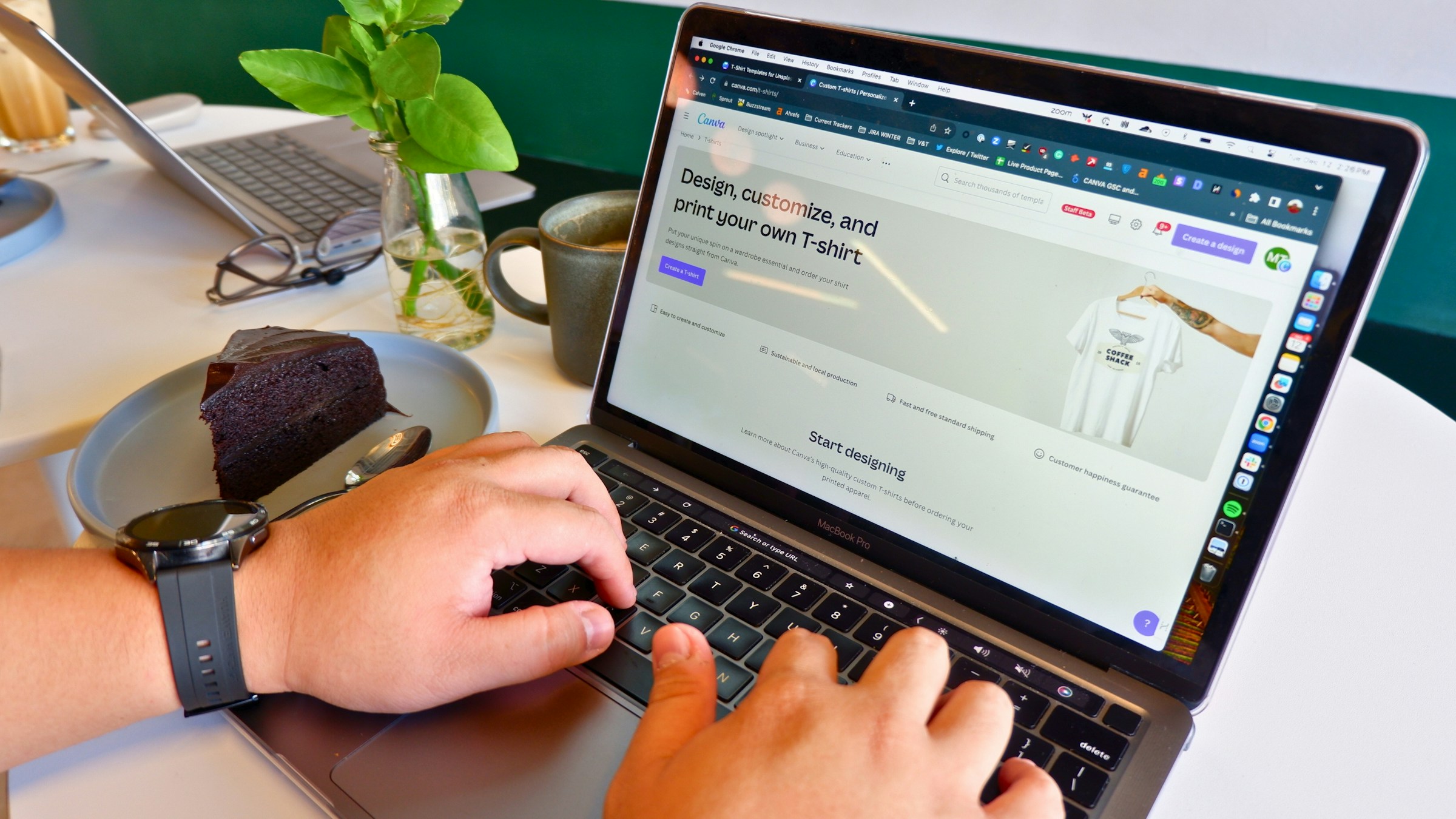
Google Docs, Canva, Notion, simple screen recorders—done is better than deluxe. Set a timer and work in short sprints so you don’t drift.
When you’re writing, say it like you’d explain it to a friend over coffee. When you’re designing, reuse templates instead of starting from scratch.
When you’re recording, hit record and keep going. Stumbles are human, not fatal. Perfectionism will whisper that it’s not good enough. Ignore it.
Your first product is a prototype, not a trophy. Clear beats clever every time.
The goal is usefulness, not applause. Finish the content, save the file, and move on. Momentum is your secret weapon today.
Step 4: Design & Package Your Product (Saturday Evening)
Saturday evening is about making your product look ready for the real world, not ready for an award show.
Use simple tools like Canva or Google Docs to clean things up fast. Stick to one font, a few colors, and plenty of white space so nothing feels cramped.
Consistency does most of the heavy lifting here. Pay attention to formatting. Clear headings. Short sections. Bullet points where they help.
This makes your product easier to read and instantly more professional.
Finally, package it neatly. Export a clean PDF. Name the file properly. Open it and check for obvious mistakes.
Step 5: Set Up Delivery & Pricing (Sunday Morning)
Sunday morning is about turning your file into something people can actually buy.
Choose a delivery platform that does the heavy lifting for you, like Gumroad, Lemon Squeezy, or even a simple email delivery if you’re just starting out.
The goal is smooth checkout and instant access. Keep pricing simple. Pick a number that feels fair, not scary.
Low enough to encourage quick decisions, high enough to respect your effort.
For a first product, clarity beats clever pricing tricks. Then write a short product description.
Explain who it’s for, what problem it solves, and what changes after they use it. No hype. No buzzwords. Just plain language.
If a friend read it and said, “Yeah, I get it,” you’ve done it right.
Step 6: Launch It Quickly (Sunday Afternoon)
Sunday afternoon is launch time, even if your heart’s racing a little. This is a soft launch, not a Super Bowl ad.
Start by sharing it with people who already know you, like your email list, social followers, or a few friends who fit the target audience.
Post it where the problem already lives. Relevant Facebook groups, forums, or communities you’re part of work well, as long as you follow the rules and lead with value.
Don’t shout. Invite. Say, “I made this to help with X.” Then pay attention. Early feedback is gold.
Ask what confused them, what helped most, and what they wish was included.
Listen without defending. These first buyers aren’t critics; they’re guides helping you make the next version better.
Common Mistakes to Avoid
Trying to Create a “Perfect” Product
Perfection is the fastest way to stall. You tweak the font. Rewrite the same sentence. Then suddenly it’s midnight, and nothing is finished.
A perfect product never launches. A useful one does. Your first digital product is allowed to be a little rough around the edges.
People are buying help, not polish. If it solves the problem, it’s good enough. Ship it. You can always improve it later.
Making the Product Too Big
Big ideas feel exciting, but they slow everything down. When you try to cover everything, you end up finishing nothing.
A weekend product needs a tight focus and a clear finish line. One problem. One outcome. That’s it.
Smaller products are faster to create, easier to sell, and easier for buyers to actually use.
Ignoring Audience Needs
This one hurts the most because it’s sneaky. You build what you like instead of what they need. The result is a product that looks good but doesn’t sell.
Always start with the audience. What are they stuck on right now? What do they want solved quickly? If your product answers that question clearly, people will listen. If it doesn’t, even the best design won’t save it.
How to Improve or Expand After the Weekend
Updating Based on Feedback
Once your product is live, the real learning begins. Pay close attention to what buyers say. Their questions, comments, and even complaints are clues.
If several people get stuck on the same part, that’s your sign to clarify it. If they ask for something extra, consider adding it.
Small updates can make a big difference. This is how a simple weekend product slowly gets sharper and more valuable without starting from scratch.
Turning It Into a Bundle or Upsell
Your first product doesn’t have to stand alone forever. You can expand it by adding a bonus, a checklist, or a short follow-up guide.
Later, you might bundle it with another related product or offer an upsell that goes one step deeper. This increases value without doubling your workload.
Using Your Product to Grow an Email List
A digital product is also a powerful list-building tool. You can offer it at a low price or even for free in exchange for an email address.
This turns buyers into long-term subscribers. From there, you can share updates, new products, or helpful tips. The product opens the door.
The email list keeps the conversation going. Over time, that list becomes just as valuable as the product itself.
Final Thoughts
Speed beats perfection every time. A finished product teaches you more than a perfect idea sitting in your head.
You don’t need more time. You need to start. This weekend is enough.
Your first digital product won’t be perfect, and that’s the point. It’s a test. A lesson. A step forward.
Build it, launch it, learn from it, then do it better next time!