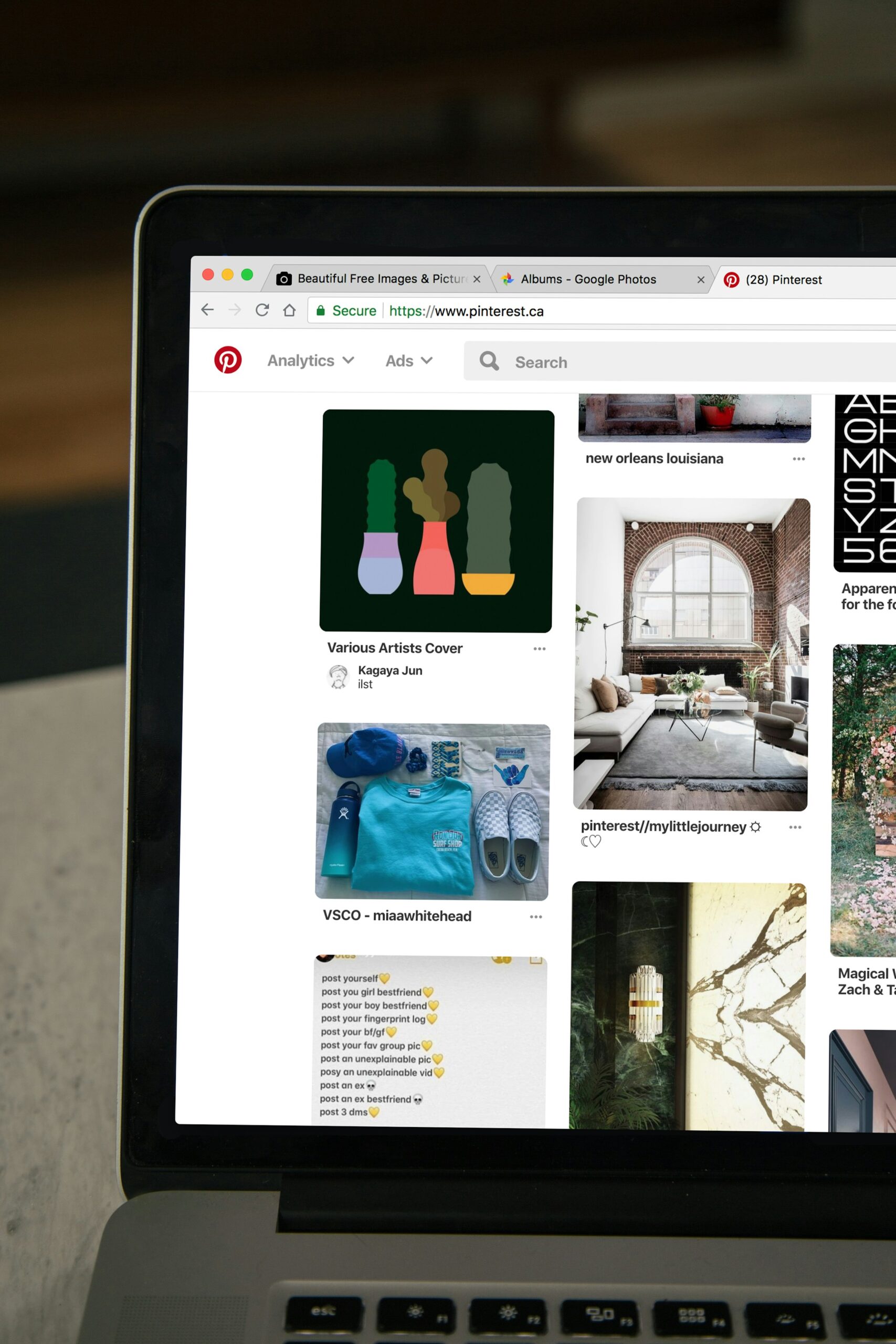
Most people think Pinterest is only useful if you have a blog, but that’s a myth.
Pinterest is a search engine in disguise. People go there ready to click, save, and buy. Not just scroll.
And here’s the good news. You don’t need a website, fancy tools, or tech skills to make money. You just need the right strategy.
This guide is for beginners, side hustlers, and creators who want income without the headache of running a blog.
If you can create a pin, you can monetize it easily.
Can You Really Make Money on Pinterest Without a Blog?
Yes, you really can make money on Pinterest without a blog, because Pinterest doesn’t behave like social media at all.
It works like a visual search engine where people type what they want, scan images, and click with intent, not boredom.
Think of it like Google with pictures. Pins don’t disappear after a day.
They keep showing up in searches for weeks, months, even years, quietly doing the heavy lifting while you sleep.
That’s why a website is optional, not required.
Pinterest allows links to external platforms like Etsy shops, Gumroad pages, YouTube videos, email sign-up forms, and affiliate products, so your pin can send traffic straight to something that pays you, no middleman needed.
What you do need is simple and realistic: a free Pinterest business account, a clear niche so the algorithm knows who to show your pins to, basic keyword research to match what people are already searching for, clean pin designs that stop the scroll, and consistency, not perfection.
You don’t need to be techy, viral, or “lucky.” You just need to show up, aim your pins at a real problem, and give people a clear next step.
Requirements to Monetize Pinterest Successfully
Pinterest Business Account
To make money on Pinterest, you need a business account. It’s free, easy to set up, and non-negotiable. This unlocks analytics, rich pins, and credibility.
You get to see what works, what flops, and what brings clicks that actually convert. Without this data, you’re guessing. And guessing is expensive.
Consistent Niche-Focused Content
Pinterest rewards clarity. Not chaos. Pick one main niche and stick to it like glue.
Side hustles, home decor, fitness, digital products—choose your lane and drive straight.
When your content is focused, Pinterest understands who to show your pins to. When it’s scattered, your reach suffers.
Consistency matters more than volume. A few pins each week, every week, beats a burst of energy followed by silence.
This is a slow cooker, not a microwave.
Basic Pin Design Skills
Good news. You don’t need to be a designer. You just need clean, readable pins that stop the scroll. Clear text. Strong contrast. One idea per pin.
Pinterest is visual first. If your pin looks confusing, it gets ignored. Simple designs often win because they communicate fast.
Tools like Canva make this painless. If someone can understand your pin in two seconds, you’re doing it right.
Understanding Pinterest Policies
Rules matter. Pinterest is friendly, but not forgiving. You must follow their policies, especially around affiliate links, disclosures, and spammy behavior.
No bait-and-switch. No misleading pins. Be honest about what people will get when they click. This builds trust with both users and the platform.
Break the rules, and Pinterest pulls the plug. Follow them, and your content keeps working quietly in the background.
10 Creative Ways to Monetize Pinterest Without a Blog
1. Affiliate Marketing with Direct Links
Affiliate marketing with direct links is one of the fastest ways to monetize Pinterest without a blog because Pinterest allows you to send users straight to a product that pays you a commission when they buy.
No detours. No extra steps. You simply create a pin around a specific problem, promise a clear benefit, and link directly to the affiliate product using your unique tracking link.
This could be a product on Amazon, a digital tool, a course, or a subscription service. The key is honesty and clarity.
Your pin should clearly match what’s on the other side of the click, so users don’t feel tricked. That trust turns into conversions.
As for niches, some perform better than others because people already shop in them with intent.
Think home organization, beauty, fitness, budgeting, side hustles, digital tools, and online education.
These are “I need this now” categories, not “just browsing” ones.
Pair the right niche with search-friendly keywords, add a simple disclosure, and you’ve built a quiet little commission machine that works while you’re off doing literally anything else.
2. Selling Digital Products via Etsy or Gumroad
Selling digital products through platforms like Etsy or Gumroad works beautifully on Pinterest because Pinterest users already arrive with a shopping mindset and love solutions they can download instantly.
Printables, templates, planners, trackers, checklists—these are low-cost, high-demand products that solve small but annoying problems, and that makes them easy yeses. A meal planner saves time.
A budget tracker reduces stress. A social media template skips the blank-page panic. Your pin becomes the storefront window. It shows the benefit, not the file.
When someone clicks, they land directly on your Etsy or Gumroad product page, ready to buy, no blog required.
Pinterest pins live long lives, so one well-made pin can drive sales for months without extra work. It’s like setting up a vending machine instead of a booth.
Create once. Pin consistently. Let the platform send buyers while you sleep, work, or pretend you’re “just checking Pinterest” for research.
3. Promoting Print-on-Demand Products
Promoting print-on-demand products is a smart way to monetize Pinterest because you can sell physical items without touching inventory, packing boxes, or arguing with a printer at midnight.
Think T-shirts with funny quotes, mugs with relatable sayings, or wall art that makes a room feel finished.
Pinterest users love visual inspiration, and these products fit right into their scrolling habits. The secret sauce is mockups.
Realistic mockups show your design in real life, not floating in space, and that helps people imagine owning it.
A mug on a cozy desk. A T-shirt worn by a smiling human. Wall art hanging above a couch. That mental picture boosts clicks fast.
Your pin should focus on the vibe and emotion, not the product specs. When someone clicks, they land directly on your store page and can buy instantly.
No blog. No tech maze. Just clean visuals, clear benefits, and products that feel made for the moment.
4. Driving Traffic to YouTube Videos
Driving traffic to YouTube videos is a powerful way to monetize Pinterest without a blog because Pinterest users are already hunting for tutorials, reviews, and step-by-step help, and YouTube delivers exactly that.
You create a pin around a clear promise—“Watch how I did this,” “See the full breakdown,” “Here’s the real result”—and link directly to your video.
Once people land on YouTube, monetization kicks in through ads, affiliate links in descriptions, and brand sponsorships as your channel grows.
The beauty is leverage. One video can earn from multiple angles while Pinterest keeps sending fresh viewers. Video pins matter here.
Short clips, bold text overlays, and clear hooks stop the scroll fast. Think teaser, not trailer. Show the outcome, not the whole story.
Pinterest favors movement and clarity, and when your pin sparks curiosity, clicks follow.
It’s like dropping breadcrumbs that lead straight to your content buffet, where every view has the chance to turn into income.
5. Growing and Monetizing an Email List
Growing and monetizing an email list with Pinterest is like planting a money tree you actually control, because unlike social platforms, your list belongs to you.
The play is simple. You offer a free lead magnet that solves one clear problem—a checklist, mini guide, calculator, or quick win—and your pin promises that result upfront.
“Free,” when paired with useful, still works like magic. Pinterest users click, land on a sign-up page, and trade their email for value. Fair deal.
From there, email funnels do the quiet selling for you. You warm people up. You help first.
Then you offer paid products, services, or affiliate recommendations that naturally fit what they already asked for.
One pin can grow your list daily, and one well-built funnel can turn those subscribers into repeat buyers.
It’s the difference between renting attention and owning it. And once you see your first sale come from a simple email? Yeah.
You’ll never look at “just an email list” the same way again.
6. Promoting Online Courses or Workshops
Promoting online courses or workshops through Pinterest is where things can get seriously interesting, because this is high-ticket territory without the blog baggage. Pinterest users love learning. They search with purpose.
Your pin taps into that by highlighting a clear outcome—learn a skill, fix a problem, get faster results—and links directly to a course or workshop hosted on platforms like Teachable, Gumroad, or Kajabi, all of which work perfectly without a website.
The pin does the inviting. The course page does the convincing. And here’s the kicker. You don’t need thousands of sales to win.
One or two course enrollments can beat dozens of small affiliate commissions. That’s the power of high-ticket offers.
Pinterest sends warm traffic, your course delivers real value, and the income reflects it.
It’s less hustle, more leverage, and proof that teaching what you know can pay far better than chasing clicks.
7. Selling Services (Freelance or Coaching)
Selling services like freelancing or coaching through Pinterest works because Pinterest attracts people who are already looking for help, not just inspiration.
They search phrases like “how to fix,” “how to grow,” or “best way to learn,” which is basically them raising a hand and saying, “I need this.”
Your pin steps in with a promise and a solution, then links directly to a booking page, contact form, or simple sales page.
Pinterest becomes your quiet client acquisition machine, sending warm leads without awkward cold pitches.
And no, you don’t need a blog to prove you’re legit. Portfolio alternatives work just fine. Think Google Drive case studies, Notion pages, one-page PDFs, Calendly links, or even a well-written landing page.
Show results. Show clarity. Show confidence. When people see you understand their problem and have a plan, they don’t ask where your blog is. They ask how soon you can start!
8. Amazon Influencer Storefront Promotion
Promoting an Amazon Influencer Storefront is a clever way to monetize Pinterest because it turns product discovery into instant shopping without needing a blog at all.
Once you’re approved for the program, you get a custom storefront link, and Pinterest allows you to send traffic straight there.
Shoppable pins do the heavy lifting. Each pin highlights a product or a small group of products, clearly shows the benefit, and invites the click with zero confusion.
Clean images. Bold text. One clear promise. Product roundup pins work especially well here. Think “Amazon Finds for Small Kitchens,” “Work-from-Home Must-Haves,” or “Budget Travel Essentials.”
These pins feel helpful, not salesy, which builds trust fast. When someone clicks, they land on a curated page where everything is ready to buy. No scrolling chaos. No decision fatigue. Just click, shop, done.
It’s like being the friend who already did the research and saved everyone time, and Pinterest quietly rewards that by sending you more buyers.
9. Brand Partnerships and Sponsored Pins
Brand partnerships and sponsored pins are very real on Pinterest, even if you don’t have a website, because brands care about reach, clarity, and results, not blog posts collecting dust.
Creators get noticed by doing one simple thing well: consistently posting niche-focused pins that get saves, clicks, and engagement.
Brands watch what performs. They look for creators who already speak to their ideal customer. When your pins clearly solve problems or inspire action, you become visible without waving your arms.
Pitching without a website is easier than it sounds. You can use your Pinterest profile, analytics screenshots, and a simple media kit or Notion page to show your audience, your stats, and past examples. Short. Clear. Confident.
You explain how your pins drive traffic and why your audience fits their product. No fluff. No begging.
Sponsored pins then become paid content that blends naturally into your feed, helping brands get exposure while you get paid for doing what you already do.
It’s less “influencer drama” and more “quiet professional getting paid behind the scenes,” which honestly feels way better.
10. Promoting Apps or SaaS Tools
Promoting apps or SaaS tools through Pinterest is a smart monetization move because software solves problems fast, and fast solutions sell.
Many tools offer referral or partner programs that pay recurring commissions, which means one sign-up can earn you money month after month.
That’s the kind of math everyone likes. Your job is to match the tool to the problem. Scheduling apps, design tools, budgeting software, and email platforms—people search for these with intent.
Best-performing pins keep it simple and benefit-driven. Clear headlines. Strong contrast. One promise. Before-and-after visuals work well.
So do comparison-style pins and “how I use this tool” angles.
The pin should answer the silent question in the user’s head: “Will this make my life easier?” When it does, clicks follow.
And when clicks turn into sign-ups, you’ve built a small, steady income stream that runs quietly in the background, like a helpful assistant who never clocks out.
Best Niches for Blog-Free Pinterest Monetization
Home & Lifestyle
Home and lifestyle content thrives on Pinterest because people come here dreaming of better spaces and easier routines.
Organization hacks, decor ideas, cleaning systems, and daily life upgrades all attract high-intent clicks. These users aren’t just browsing. They’re planning.
That makes them more likely to buy printables, products, and recommendations that promise comfort or simplicity.
Finance & Side Hustles
Money-focused content performs incredibly well because it taps into urgency and hope at the same time.
Budgeting tips, saving challenges, passive income ideas, and side hustle guides attract users who want change now.
Pinterest works here because it feels less intimidating than finance blogs. Pins act like friendly nudges instead of lectures.
Pair this niche with affiliate tools, digital products, or services, and conversions come naturally.
Health & Wellness
Health and wellness content succeeds when it’s practical and realistic. Think routines, trackers, gentle fitness, meal planning, stress relief, and habit-building tools.
Pinterest users look for guidance they can actually follow, not extremes. Pins that promise progress, not perfection, earn trust fast.
This niche works well for printables, courses, apps, and coaching offers that support small, consistent wins.
DIY & Digital Products
DIY and digital products are a perfect match for Pinterest’s visual nature. Step-by-step ideas, templates, planners, and creative tools stop the scroll instantly.
People love seeing what’s possible, then clicking to get it for themselves. Digital products shine here because they’re easy to deliver and scale.
One pin can sell the same product over and over without extra work. Create once. Pin smart. Let Pinterest handle the rest.
Common Mistakes to Avoid
Violating Affiliate Policies
Affiliate rules are not suggestions. They are lines in the sand. On Pinterest, you must disclose affiliate links clearly and honestly. No sneaky redirects.
No misleading promises. If your pin says one thing and the link delivers another, trust is broken fast.
And once trust is gone, both users and platforms stop listening. Play it clean. Long-term wins always beat short-term tricks.
Overposting Promotional Pins
Selling nonstop is like talking without breathing. People tune out. Pinterest rewards value first, promotion second.
If every pin screams “buy this,” your reach drops and engagement dries up. Mix it up.
Educational pins, tips, inspiration, and soft sells work together like gears in a machine.
When promotion feels helpful instead of pushy, clicks come naturally.
Ignoring Analytics
Analytics are your roadmap. Ignore them, and you’re driving blind. Pinterest analytics show what people save, click, and ignore.
That data tells you what to double down on and what to drop. Guessing wastes time. Tracking saves it.
You don’t need to overthink numbers, but you do need to listen to them. The platform is already telling you what works. All you have to do is pay attention.
Tips to Grow Faster on Pinterest Without a Blog
Keyword Optimization
Growth on Pinterest starts with keywords, not luck. Pinterest listens to what users type into the search bar, then matches pins to those phrases.
Use clear keywords in your pin titles, descriptions, and board names so the algorithm knows exactly who your content is for. Think like the user.
If you were searching for a solution, what would you type? Answer that, and Pinterest does the rest.
Pin Consistency Strategies
Consistency beats bursts of motivation every time. You don’t need to pin all day. You need to show up regularly.
A few high-quality pins spread across the week train the algorithm to trust you. This keeps your content circulating instead of sinking.
Repurposing Content Across Platforms
Work smarter, not harder. One idea can live many lives. A YouTube video becomes multiple pins. A product becomes different angles.
A tip becomes a carousel, a video pin, and a static image. Pinterest loves fresh formats, not endless new ideas.
Repurposing keeps you visible without burning out. Same message. New wrapper. More reach.
Final Words
You don’t need a blog to make money on Pinterest. You need a clear niche, smart pins, and a link that leads somewhere useful.
Affiliate links, digital products, services, courses, and brand deals all work. Pick one. Start small. Learn as you go.
Don’t wait for perfect. Pinterest rewards action, not overthinking. Create your first pin today and let it start working for you.
FAQs
Is Pinterest monetization beginner-friendly?
Yes. Very. Pinterest is one of the easiest platforms for beginners because content doesn’t vanish overnight. You don’t need to be on camera.
You don’t need tech skills. You just need clear pins and a simple offer. Pinterest works in the background, which gives beginners time to learn without pressure.
How long does it take to see results?
Pinterest is a slow burn, not a lottery ticket. Some people see clicks in weeks. Sales usually follow within one to three months if you stay consistent.
The magic happens when older pins start gaining traction. That’s when momentum kicks in, and things feel easier.
Do you need followers to make money?
No. And this surprises most people. Pinterest prioritizes search, not follower counts.
A brand-new account can rank and get clicks if the pin matches what people are searching for.
Good keywords and helpful content beat popularity every time.